
Damage Waiver in Vacation Rentals: A Complete Guide for Hosts and Guests

What Is a Damage Waiver?
A damage waiver—sometimes called a deposit waiver—is a small, non-refundable fee paid by a guest before their stay instead of a traditional security deposit.
Rather than blocking a large sum on the guest’s card, the host collects a modest fee (typically between $30 and $100). This amount is kept regardless of whether damage occurs and is used to offset potential losses over time.
In simple terms:
- A security deposit protects the host per booking
- A damage waiver spreads protection across many bookings
This model has gained traction in the short-term rental industry, especially as guest expectations shift toward more seamless and flexible experiences.
How Does a Damage Waiver Work?
The process is straightforward and designed to reduce friction for both parties.
For the host:
- A fixed fee is charged before check-in
- The payment is collected automatically (often via booking platforms or direct payments)
- Funds accumulate over time, creating a buffer against damages
For the guest:
- They pay a small, one-time fee
- No large deposit is held or frozen on their card
- There’s no refund process after checkout
This system functions similarly to a self-insurance model. Instead of relying on a single large deposit to cover potential damage, hosts build a pool of funds across multiple stays.
Damage Waiver vs Security Deposit: Key Differences
Understanding the distinction is essential when deciding which approach fits your rental strategy.
Payment structure
- Damage waiver: Small, fixed fee
- Security deposit: Larger amount (often $200–$500+)
Refundability
- Damage waiver: Non-refundable
- Security deposit: Refundable if no damage occurs
Guest experience
- Damage waiver: Smooth and hassle-free
- Security deposit: Can feel restrictive or stressful
Cash flow for hosts
- Damage waiver: Immediate revenue
- Security deposit: Temporary hold, released later
Risk coverage
- Damage waiver: Distributed across bookings
- Security deposit: Limited to one stay
Why More Hosts Are Switching to Damage Waivers
The growing popularity of damage waivers is not accidental. It reflects deeper changes in guest behavior and operational priorities.
1. Improved cash flow
Unlike deposits, which are returned, damage waivers generate real, immediate income. Over time, this can represent a meaningful financial cushion.
👉 When integrated into a digital guest experience (such as a welcome guidebook or guest app), this fee can be collected seamlessly alongside other services—without adding friction to the booking journey.
2. Reduced administrative work
Managing deposits often involves:
- Pre-authorizations
- Refund timelines
- Disputes after checkout
Damage waivers eliminate most of this complexity.
3. Fewer conflicts with guests
Disagreements over deposits are common in hospitality. A damage waiver removes this friction entirely—there’s nothing to refund or argue about.
4. Scalable protection
While a single waiver won’t cover major damage, the aggregate effect across dozens or hundreds of bookings often provides stronger overall coverage than deposits.
Why Guests Prefer Damage Waivers
From the guest’s perspective, the appeal is clear.
No blocked funds
Travelers don’t have to worry about hundreds of dollars being frozen on their card—especially important for longer stays or multi-stop trips.
Simplicity
There’s no waiting period after checkout, no inspection anxiety, and no uncertainty about refunds.
Peace of mind
Guests know exactly what they’re paying upfront, with no surprises later.
In fact, many operators report that a large majority of guests choose the damage waiver option when given the choice.
Turning a Damage Waiver into a Revenue Opportunity
One of the most overlooked advantages of a damage waiver is its revenue potential.
Instead of being seen purely as protection, it can become part of a broader monetization strategy.
Integrated into the guest journey
Modern hospitality tools now allow hosts to:
- Present the damage waiver within a digital welcome guidebook
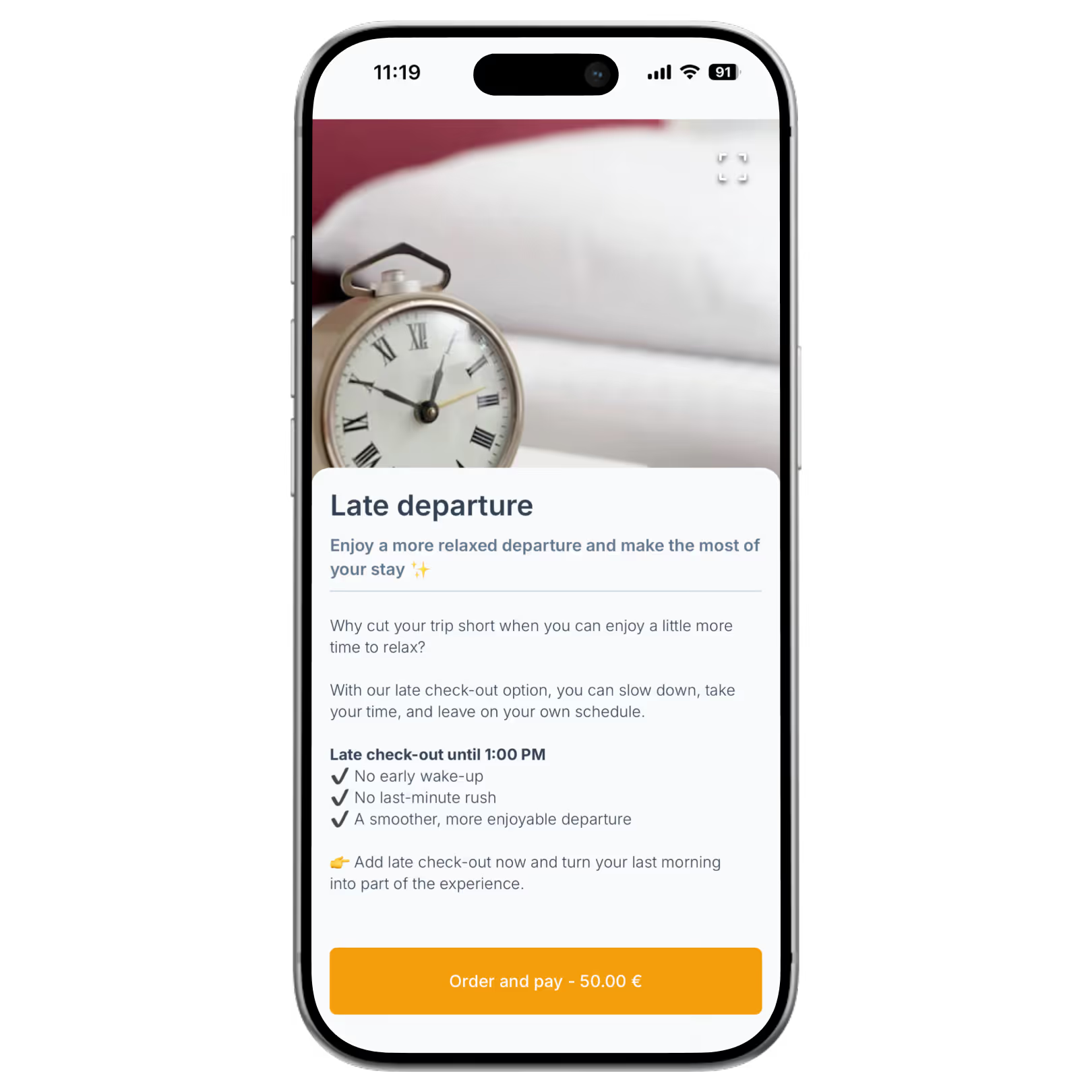
- Bundle it with upsells like early check-in or late check-out
- Enable guests to pay instantly from their phone
This approach transforms what used to be a “protective measure” into a natural step in the guest experience.
Solutions like Sunver make this particularly effective by embedding the damage waiver directly into a branded guest app or digital guidebook.
Instead of sending separate payment links or messages, hosts can:
- Centralize all information (check-in, house rules, services)
- Offer the damage waiver alongside other options
- Collect payments automatically, without manual follow-up
📊 The result: higher conversion rates, smoother communication, and additional revenue generated effortlessly.
Are There Any Downsides?
While damage waivers offer many advantages, they’re not a perfect solution in every situation.
Limited coverage per incident
A single fee won’t cover significant damage (e.g., broken appliances or structural issues). Hosts may still need:
- Additional insurance
- Clear house rules
- Screening processes
Perception of “extra fees”
Some guests may view the waiver as an added cost, especially if not clearly explained.
Tip: Transparency is key. Present it as a convenience and protection feature—not just a fee.
When Should You Use a Damage Waiver?
A damage waiver is particularly well-suited for:
High-volume rentals
If you manage multiple properties or frequent bookings, the pooled model becomes highly effective.
Short stays
For 1–3 night bookings, guests are less willing to accept large deposits.
International guests
Travelers using foreign cards often prefer avoiding large holds due to currency and banking limitations.
Premium guest experience strategies
If your goal is to offer a frictionless, hotel-like experience, removing deposits can significantly improve satisfaction.
Best Practices for Implementing a Damage Waiver
To get the most out of this model, a few guidelines make a real difference.
Be transparent
Explain clearly:
- What the fee covers
- Why it replaces a deposit
- What happens in case of damage
Keep the fee reasonable
A typical range is:
- $30–$50 for smaller properties
- $50–$100 for larger or high-end rentals
Combine with safeguards
A damage waiver should complement—not replace—basic protections:
- House rules
- Guest verification
- Insurance coverage
Integrate it into your guest experience
Rather than treating it as a standalone payment, include it within your digital guest journey:
- Add it to your welcome guide
- Present it alongside optional services
- Automate collection before arrival
This not only simplifies operations but also increases acceptance from guests.
A Simple Way to Understand the Difference
If you had to summarize it in one sentence:
- Security deposit: “We hold your money in case something happens.”
- Damage waiver: “You pay a small fee so we don’t need to hold your money.”
This shift may seem minor, but it fundamentally changes the guest experience.
FAQ: Damage Waivers Explained
Is a damage waiver mandatory?
Not always. Some hosts offer it as an alternative to a deposit, while others make it standard.
Does it cover all damages?
No. It typically covers minor incidents. For major damage, additional insurance or claims processes may apply.
Can guests refuse it?
That depends on the host’s policy. If it replaces the deposit entirely, it’s usually required.
Is it legal everywhere?
Regulations vary by country and platform. Always check local rules and booking platform policies.
Final Thoughts
The damage waiver model reflects a broader evolution in hospitality: less friction, more flexibility, and better alignment with guest expectations.
For hosts, it offers a smarter way to manage risk while improving cash flow and reducing operational headaches. For guests, it removes one of the most common pain points in the booking process.
When combined with modern digital tools—especially those that centralize communication, payments, and services in one place—it becomes even more powerful.
What used to be a simple protection mechanism can now play a role in enhancing the guest experience and generating additional revenue, all without adding complexity to your daily operations.
Much more than a welcome guidebook
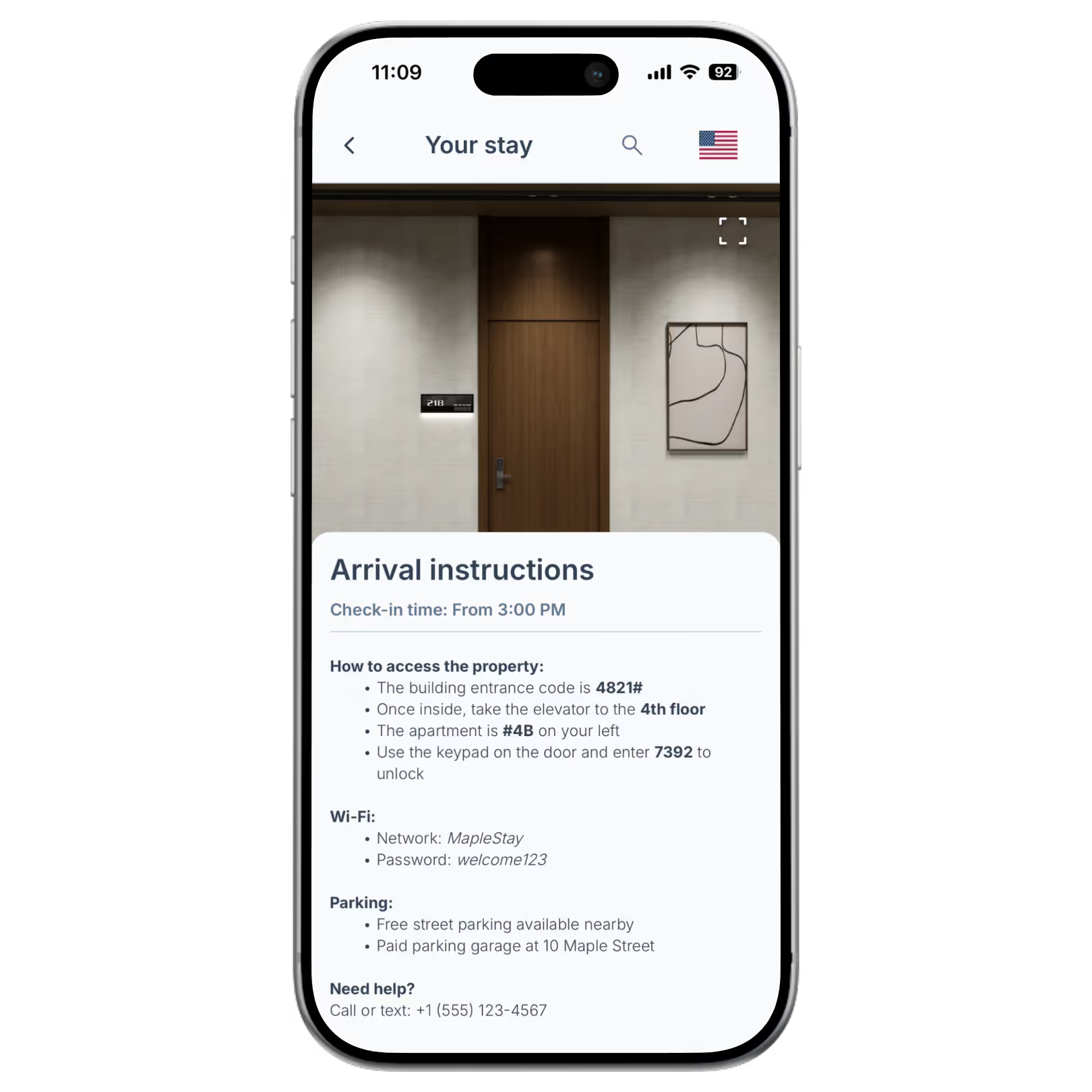
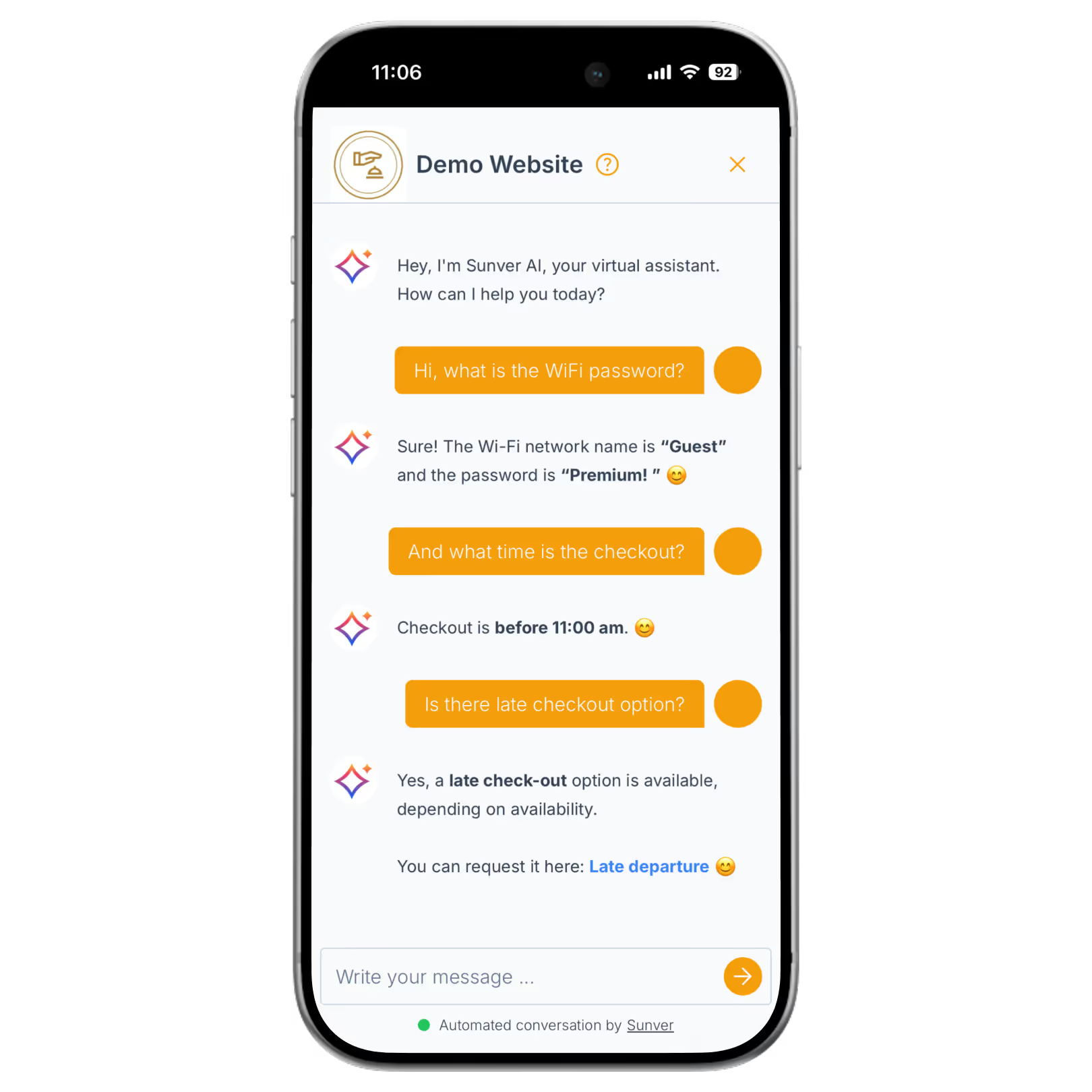
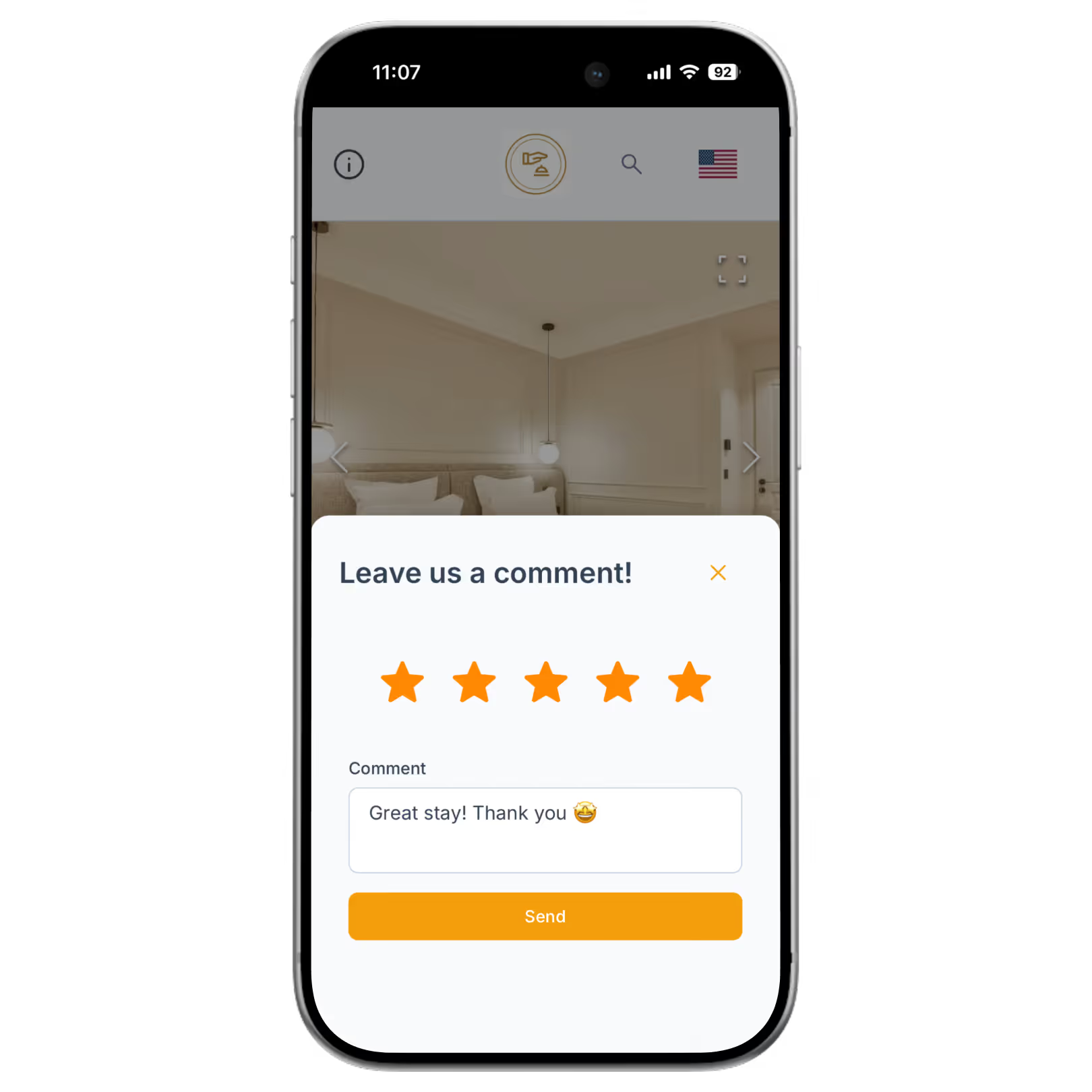
A web application accessible without download, via QR code or link, automatically translated into your guest’s language.
Frequently asked questions
Everything you need to know about Sunver.
What is Sunver?
Sunver is a solution that allows you to easily create your own digital welcome guidebook to simplify communication with your guests. It enhances the guest experience, saves you time every day, and helps you generate additional revenue. Setting up a guidebook is intuitive—similar to creating a Facebook profile.
How do I set up Sunver?
You can create your first guidebook directly from our website in just a few minutes and experience the simplicity of the solution for yourself. If you are a hospitality professional, our team also offers a full demo via video call, helping you with setup and customization.
How can I share my guidebook with guests?
There are two main ways to share your guidebook:
1. Send the link directly after booking or during the stay through your automated messages.Provide
2. QR code displays inside your accommodation so guests can scan and access the guidebook instantly.
You can also print your display for free from your Sunver dashboard or order physical QR code supports directly from our website.
Do my guests need to download anything?
No, your guests don’t need to download anything. Sunver runs as a web app, meaning it’s hosted online, loads quickly, and is instantly accessible. Thanks to automatic translation, the guidebook will open directly in the guest’s phone language.
Can I promote my additional services with Sunver?
Yes, absolutely. With the guidebook modules, you can create a true digital shop and showcase your services, products, or exclusive offers. By connecting your Stripe account, you can accept payments directly without any commission taken by Sunver. Guests can pay in just one click from their smartphone.
The digital welcome guide your guests deserve
Give your guests a seamless experience — all your information, services, and recommendations, right at their fingertips.