
Digital Concierge in Hospitality: The Definitive Guide to Smarter Guest Experiences

Why the Digital Concierge Is Becoming Essential
Hospitality is no longer defined solely by comfort or location. Today’s guests expect speed, clarity, personalization, and autonomy — all delivered through digital channels they already use in daily life. At the same time, hospitality operators face mounting challenges: labor shortages, rising costs, fragmented communication, and higher expectations for service quality.
This is where the digital concierge comes in.
Once reserved for luxury hotels, digital concierge solutions are now widely adopted by hotels, vacation rentals, serviced apartments, and property managers of all sizes. They help automate guest communication, centralize information, improve satisfaction, and unlock new revenue streams — without increasing staff workload.
This guide explains what a digital concierge really is, how it works, why it matters, and how to choose the right solution for your hospitality business.
What Is a Digital Concierge?
A digital concierge is a guest-facing digital platform that centralizes information, communication, and services throughout the guest journey. It acts as a virtual assistant that guests can access anytime, usually via:
- A QR code displayed in the property
- A web link sent by email or SMS
- A browser-based interface (no app download required)
Unlike a traditional concierge desk, a digital concierge is available 24/7, responds instantly, and scales effortlessly across multiple properties. It provides guests with:
- Practical stay information (check-in, Wi-Fi, rules)
- Answers to frequently asked questions
- Service requests and bookings
- Local recommendations
- Optional paid services and experiences
When powered by artificial intelligence, a digital concierge can interact in natural language and multiple languages, offering fast and accurate responses tailored to each property.
Digital Concierge vs Traditional Concierge: Complement, Not Replacement
Human concierges remain invaluable for complex, emotional, or high-touch interactions. However, a large share of daily guest questions are repetitive and predictable:
- “What’s the Wi-Fi password?”
- “What time is check-out?”
- “Where can I park?”
- “How do I use the air conditioning?”
A digital concierge handles these requests instantly and consistently, freeing staff to focus on meaningful, personalized service. The result is a hybrid hospitality model where technology manages volume and speed, while humans deliver warmth and expertise.
How a Digital Concierge Works
At the core of any digital concierge is structured content created by the operator. This includes:
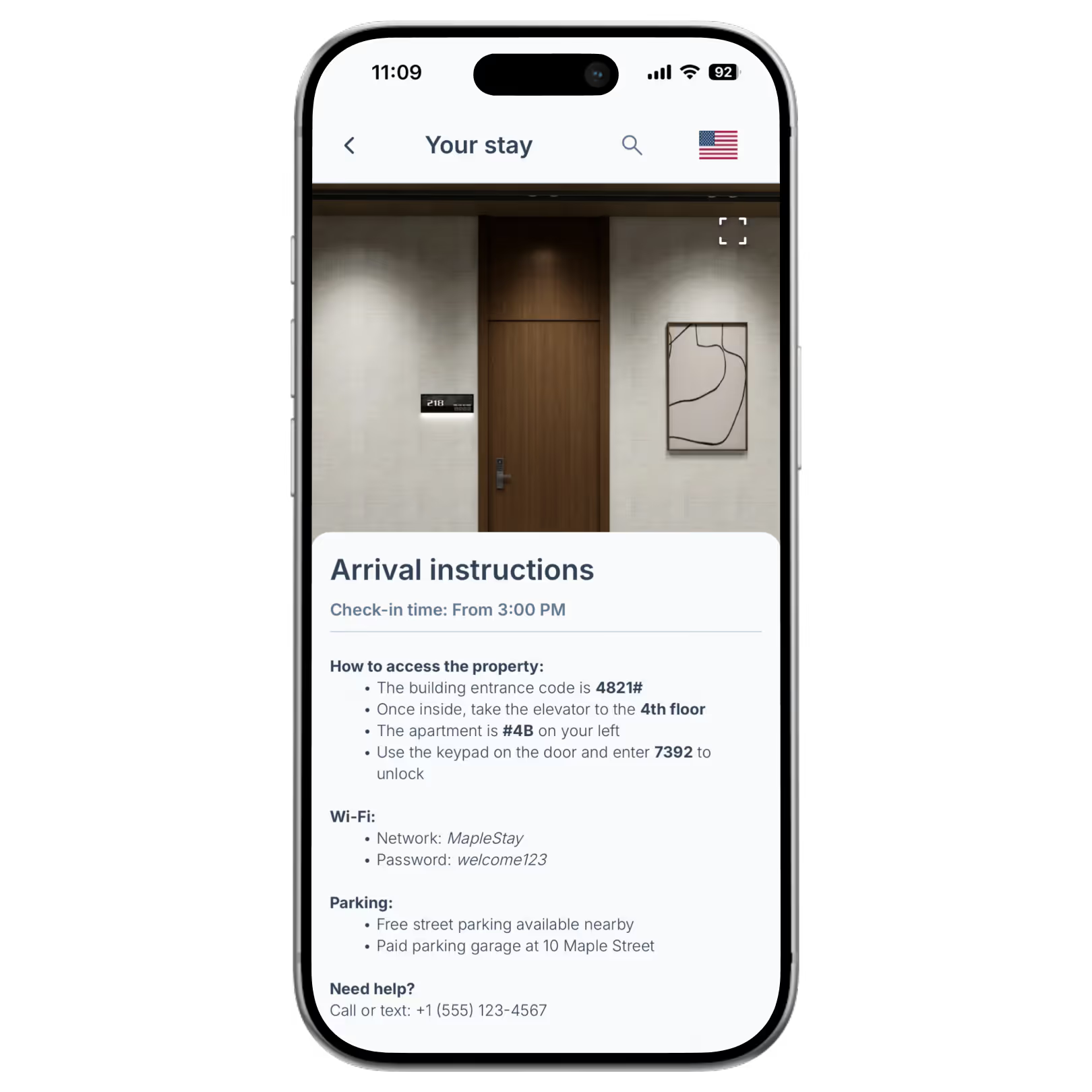
- Property details and access instructions
- House rules and policies
- Equipment and appliance guides
- Frequently asked questions
- Services and upsell offers
- Local recommendations
Guests access this content through a simple digital entry point. They can browse information or ask questions in their own words.
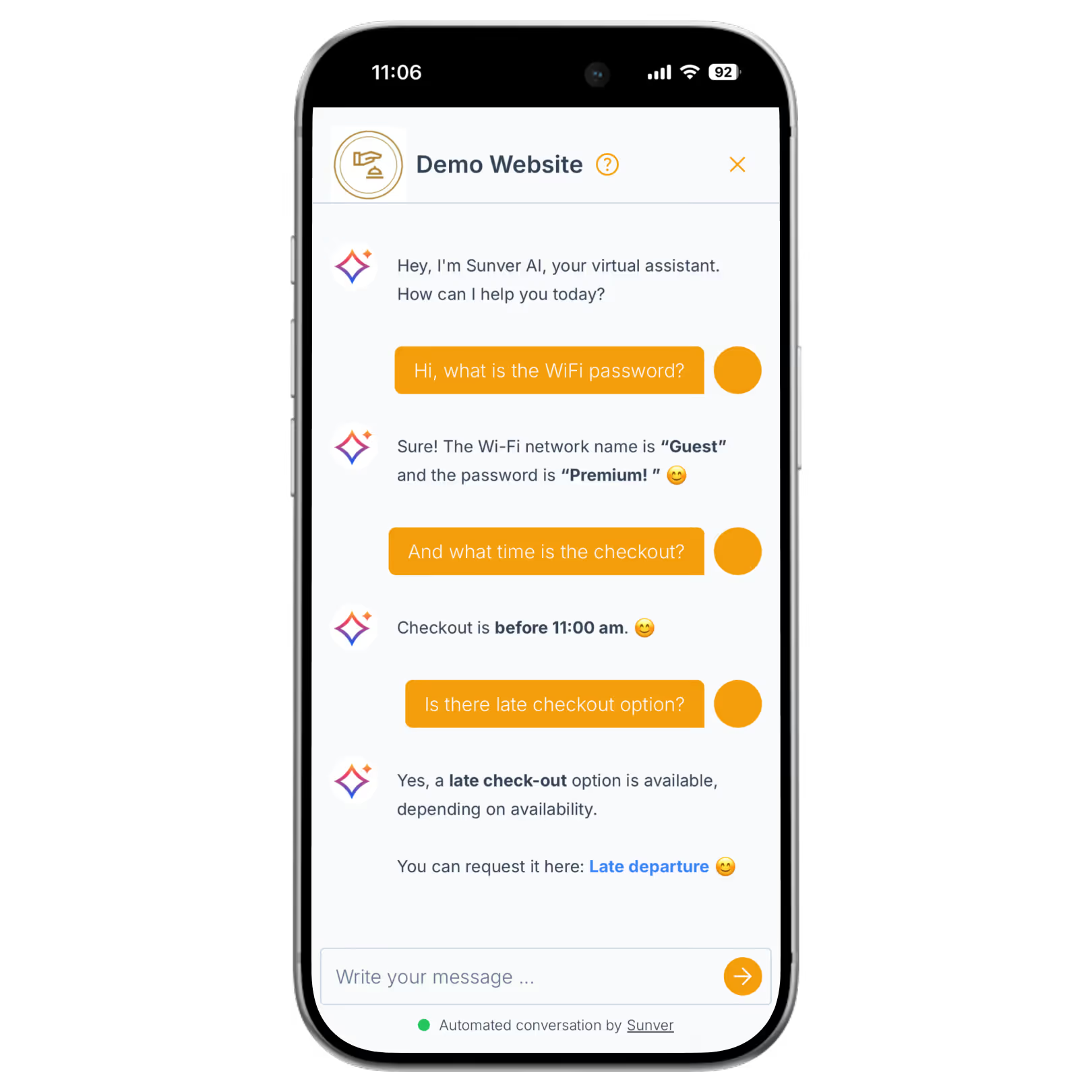
If artificial intelligence is integrated, the system interprets guest questions, searches the property’s content, and delivers accurate answers in seconds. Requests that require human action — maintenance issues, special arrangements, complaints — can be automatically routed to the appropriate staff member.
Many platforms also include integrated payments, allowing guests to book and pay for services directly from their phone.
Core Features of a Modern Digital Concierge
A true digital concierge is more than a chat tool. The most effective solutions combine several key capabilities.
Digital Welcome Guide
Often replacing printed binders and paper notices, the digital welcome guide acts as a single source of truth. Guests can access all essential information anytime, without calling or messaging staff.
AI-Powered Guest Assistant
An AI-driven concierge answers guest questions instantly, 24/7, and in multiple languages. Because it relies on the operator’s own content, responses remain accurate and property-specific.
Multi-Language Support
With international travel on the rise, automatic translation removes language barriers and improves guest confidence and comfort.
Service Requests and Workflow Management
Guests can request housekeeping, maintenance, late check-out, or amenities directly through the platform. Requests are structured, traceable, and easier for teams to manage.
Upselling and Ancillary Revenue
Digital concierges allow operators to offer services at the right time, such as:
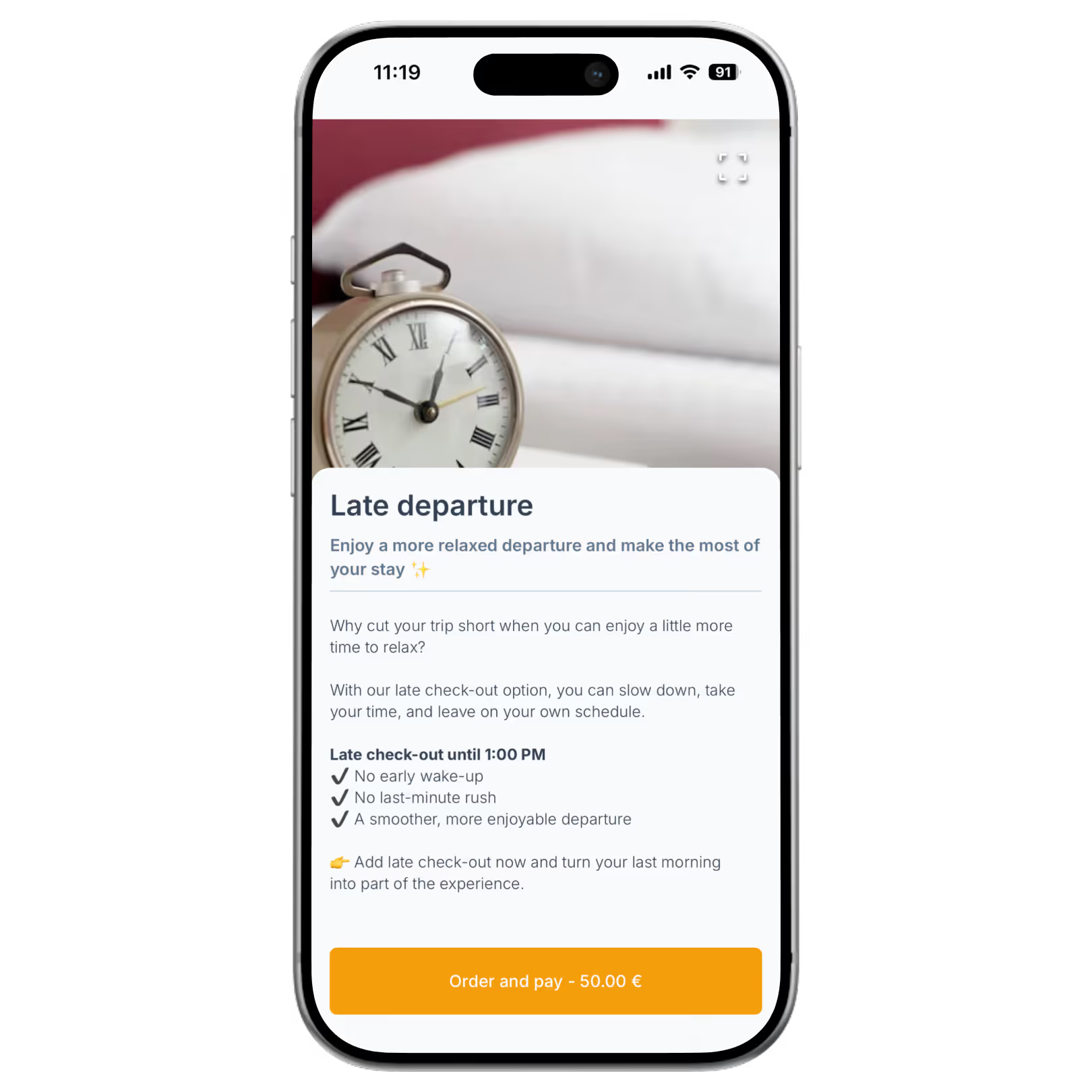
- Early check-in or late check-out
- Extra cleaning
- Breakfast or room service
- Transfers and local activities
Integrated payments make the purchase seamless.
Local Recommendations
Curated suggestions for restaurants, shops, events, and experiences enhance the stay while supporting local partners.
Branding and Customization
A white-label experience ensures the digital concierge matches the property’s identity, tone, and standards.
Analytics and Insights
Dashboards provide visibility into guest behavior, request volume, satisfaction indicators, and revenue performance.
The Digital Concierge Across the Guest Journey
Before Arrival
Before guests arrive, the digital concierge reduces uncertainty by sharing:
- Directions and access details
- Check-in instructions
- House rules and expectations
It also opens the door to pre-arrival upsells, such as early check-in or add-on services.
During the Stay
During the stay, the digital concierge becomes the guest’s primary touchpoint. Instant responses, clear workflows, and on-demand services significantly improve satisfaction while reducing front desk pressure.
After Checkout
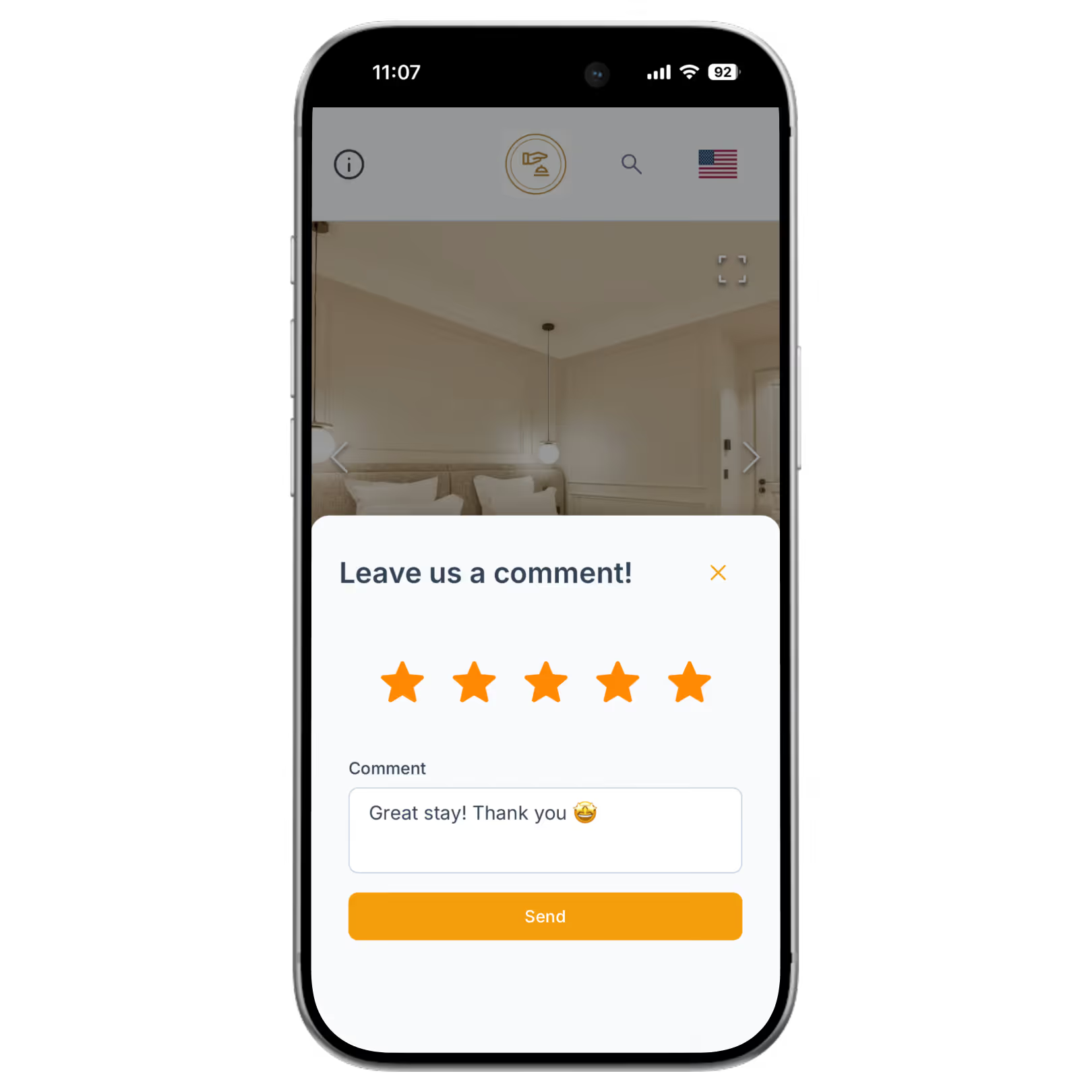
After departure, the digital concierge can collect feedback, request reviews, and maintain a communication channel for future stays — supporting reputation management and repeat bookings.
Benefits for Hospitality Operators
The impact of a digital concierge is measurable and strategic.
Reduced workload
Centralized information and instant answers significantly cut repetitive inquiries.
Higher guest satisfaction
Fast responses, clarity, and language accessibility create a smoother, more reassuring experience.
Improved operational efficiency
Structured requests reduce errors, delays, and internal miscommunication.
Increased revenue
Systematic upselling transforms optional services into consistent income streams.
Scalability
Whether managing one unit or hundreds, operators can deliver consistent quality without proportional staffing increases.
Digital Concierge vs Hotel Apps and PMS
A digital concierge does not replace existing systems — it complements them.
- Hotel apps often struggle with low adoption because guests don’t want to download an app for a short stay.
- Property Management Systems (PMS) are essential for internal operations but not designed for guest interaction.
The digital concierge acts as a guest experience layer, connecting internal systems with a simple, accessible interface for guests.
The Role of AI in the Future of Digital Concierge
Artificial intelligence is accelerating the evolution of digital concierges. Beyond answering questions, AI enables:
- Context-aware conversations
- Personalized service suggestions
- Predictive insights into guest needs
The most successful solutions combine AI efficiency with clear escalation paths to human staff, ensuring technology enhances — rather than replaces — hospitality.
Who Should Use a Digital Concierge?
Digital concierge solutions are relevant for:
- Airbnb and short-term rental hosts
- Property managers with multiple units
- Boutique hotels and resorts
- Large hotel groups seeking consistency
Any accommodation aiming to improve efficiency, guest satisfaction, and revenue can benefit.
How to Choose the Right Digital Concierge
When evaluating solutions, consider:
- Ease of setup and use
- White-label branding options
- Quality of AI responses
- Multi-language capabilities
- Payment and system integrations
- Analytics and reporting
- Quality of customer support
A digital concierge should simplify operations, not add complexity.
Conclusion: A New Standard for Modern Hospitality
The digital concierge has evolved from an innovation into a core component of modern guest experience strategy. It reflects how guests want to interact today: instantly, digitally, and on their own terms.
For hospitality operators, adopting a digital concierge is no longer just about technology. It is about delivering better service, operating more efficiently, and building a sustainable competitive advantage in an increasingly digital hospitality landscape.
Much more than a welcome guidebook
A web application accessible without download, via QR code or link, automatically translated into your guest’s language.
Frequently asked questions
Everything you need to know about Sunver.
What is Sunver?
Sunver is a solution that allows you to easily create your own digital welcome guidebook to simplify communication with your guests. It enhances the guest experience, saves you time every day, and helps you generate additional revenue. Setting up a guidebook is intuitive—similar to creating a Facebook profile.
How do I set up Sunver?
You can create your first guidebook directly from our website in just a few minutes and experience the simplicity of the solution for yourself. If you are a hospitality professional, our team also offers a full demo via video call, helping you with setup and customization.
How can I share my guidebook with guests?
There are two main ways to share your guidebook:
1. Send the link directly after booking or during the stay through your automated messages.Provide
2. QR code displays inside your accommodation so guests can scan and access the guidebook instantly.
You can also print your display for free from your Sunver dashboard or order physical QR code supports directly from our website.
Do my guests need to download anything?
No, your guests don’t need to download anything. Sunver runs as a web app, meaning it’s hosted online, loads quickly, and is instantly accessible. Thanks to automatic translation, the guidebook will open directly in the guest’s phone language.
Can I promote my additional services with Sunver?
Yes, absolutely. With the guidebook modules, you can create a true digital shop and showcase your services, products, or exclusive offers. By connecting your Stripe account, you can accept payments directly without any commission taken by Sunver. Guests can pay in just one click from their smartphone.
The digital welcome guide your guests deserve
Give your guests a seamless experience — all your information, services, and recommendations, right at their fingertips.