
Holiday Upselling for Hotels: A Complete Guide to Boost Revenue Without Compromising Guest Experience
Introduction: Why Holiday Upselling Matters More Than Ever
The holiday season is one of the most lucrative — and demanding — periods in hospitality. Hotels often operate at or near full occupancy, yet rising operational costs and intense competition mean that room revenue alone is no longer enough.
Today, the real opportunity lies in maximizing revenue per guest, not just per room.
Done right, upselling during the festive season doesn’t feel like selling. It enhances the guest experience, simplifies their stay, and creates memorable moments — while significantly increasing your bottom line.
This guide walks you through a modern, effective approach to holiday upselling, with practical strategies you can apply immediately.
1. Build a Revenue Strategy Before Creating Offers
Before launching festive packages or promotions, take a step back. Upselling works best when it’s part of a structured revenue plan, not a collection of last-minute ideas.
Start with clear objectives
Ask yourself:
- Do you want to increase average spend per guest?
- Boost specific services (spa, dining, experiences)?
- Fill gaps in low-demand dates?
Identify key opportunities
Break down your festive period:
- Peak dates (e.g. Christmas, New Year’s Eve)
- Shoulder periods that need support
- Local events driving demand
Define your offer structure
A strong upsell strategy typically includes:
- Flagship experiences (e.g. gala dinners, holiday packages)
- Enhanced core services (breakfast upgrades, spa access)
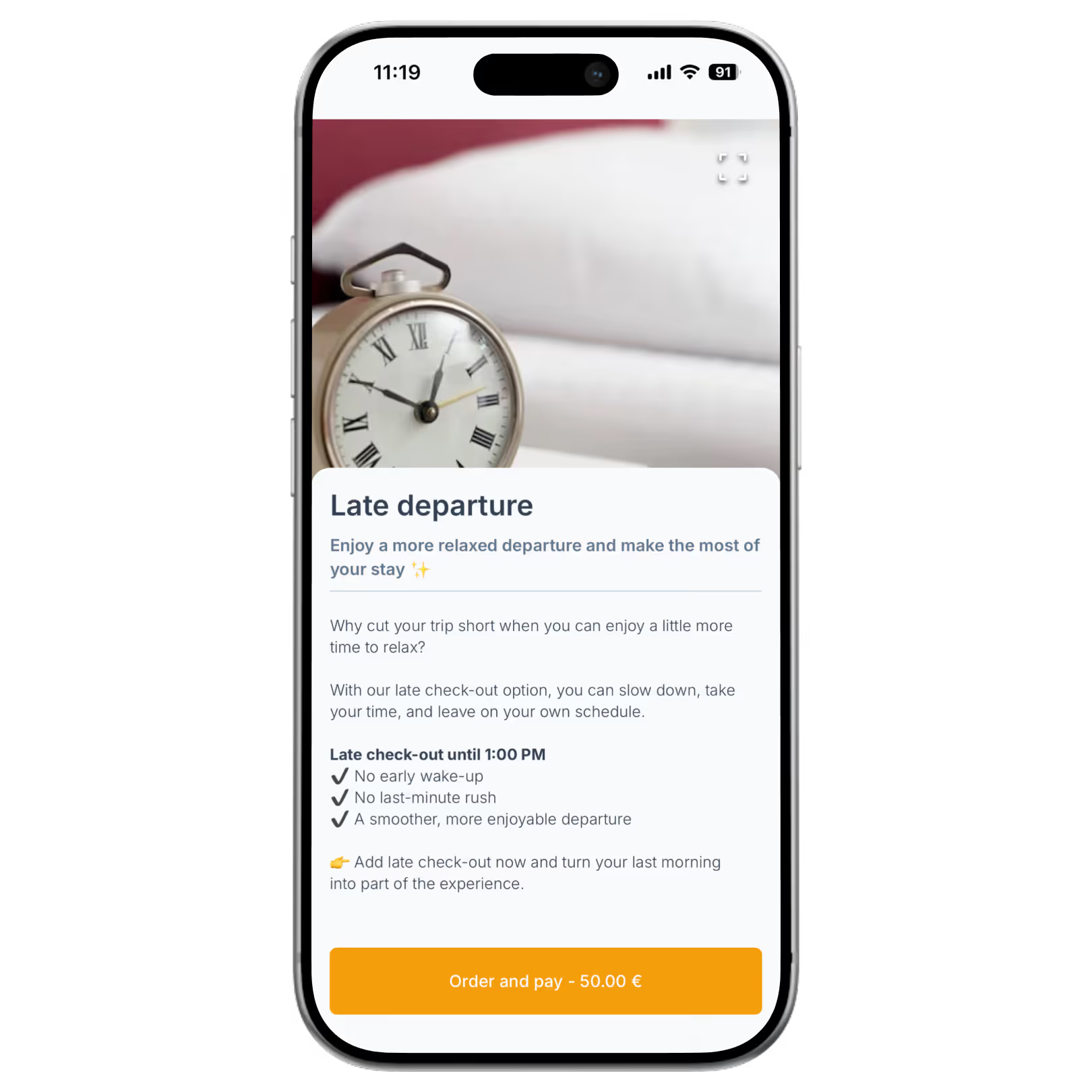
- Quick add-ons (welcome drinks, decorations, late check-out)
A clear structure ensures every offer has a purpose — and avoids overwhelming guests with too many choices.
2. Align Upsells with Every Stage of the Guest Journey
The most successful upselling strategies follow guests throughout their stay — from booking to post-departure.
Pre-arrival: Shape expectations early
Once a reservation is confirmed, guests are actively planning their trip. This is the perfect moment to introduce curated options.
Effective pre-arrival offers:
- Room upgrades for better views or more space
- Early check-in / late check-out for flexibility
- Festive amenities (decorations, champagne, gift baskets)
- Transportation and logistics (airport transfers, parking)
At this stage, guests are not “buying extras” — they are designing their experience.
During the stay: Capture spontaneous decisions
Once on-site, guests are more likely to make emotional, impulse-driven purchases.
High-performing in-stay upsells:
- Seasonal dining experiences and themed menus
- Spa treatments or wellness packages
- Activities (family events, live entertainment, workshops)
- Convenience services (laundry, express check-out)
The key is visibility and ease: if booking takes more than a few taps, conversion drops sharply.
Post-stay: Extend the relationship
The guest journey doesn’t end at check-out. In fact, this is often the most overlooked revenue opportunity.
Post-stay ideas:
- Gift vouchers for friends and family
- Early booking access for next year’s holidays
- Exclusive offers for returning guests
A positive holiday experience creates emotional attachment — and that’s powerful for long-term revenue.
3. Personalization: The Difference Between Noise and Value
Not all guests are the same — especially during the holidays.
A family traveling with children has very different needs from a couple celebrating New Year’s Eve or a solo traveler on a winter getaway.
Use data to segment your audience
Even simple segmentation can dramatically improve results:
- Families vs couples vs solo travelers
- Domestic vs international guests
- First-time vs returning guests
Add contextual signals
Go further by using:
- Purpose of stay (celebration, leisure, business)
- Special occasions (birthdays, anniversaries)
- Preferences (language, communication channel)
Why personalization works
Relevant offers feel helpful:
“Enjoy a stress-free arrival with early check-in and festive refreshments”
Irrelevant ones feel intrusive:
“Add a kids activity pack” (to a couple)
The difference is simple — but critical.
4. Timing and Channels: Deliver the Right Offer at the Right Moment
Even the best offer can fail if delivered too early, too late, or through the wrong channel.
A simple upsell timeline
- Right after booking: core upgrades, breakfast, parking
- 3–7 days before arrival: experiences, events, spa
- Day of arrival: last-minute add-ons, amenities
- During stay: real-time offers (dining, activities, late check-out)
Choose the right channels
Modern guest communication is multi-channel:
- Email for planning
- Web apps or mobile interfaces for browsing
- Messaging (SMS, WhatsApp) for timely nudges
Consistency across these channels is essential. Guests should feel guided — not bombarded.
5. Think Beyond Room Guests
One of the biggest missed opportunities in hospitality is focusing only on overnight guests.
During the holidays, hotels attract a much wider audience:
- Local residents
- Restaurant and bar visitors
- Spa clients
- Event attendees
Expand your revenue scope
Consider offering:
- Day passes for spa or wellness areas
- Holiday dining experiences for non-guests
- Parking, meeting spaces, or family activities
These audiences are already interacting with your property — they just need easy access to services.
6. Make Your Upselling Strategy Operationally Realistic
A great idea can quickly become a problem if your team can’t deliver it.
Align with operations early
Before launching offers:
- Confirm capacity (spa slots, restaurant covers, activities)
- Define cut-off times for services
- Identify high-pressure dates
Protect your team
- Limit availability when needed
- Automate offer visibility based on capacity
- Ensure all purchases are tracked and communicated internally
Upselling should support operations, not create friction.
7. Turn Seasonal Success Into a Year-Round Strategy
The holiday season is a goldmine of insights. Every interaction generates valuable data.
Track what matters
Focus on:
- Conversion rate per offer
- Revenue per guest or per stay
- Performance by segment and channel
Learn and iterate
Ask:
- Which offers performed best?
- Which segments responded most?
- What timing worked best?
Reuse and scale
Top-performing holiday offers can often be adapted for:
- Summer seasons
- Local events
- Weekend packages
Upselling is not a one-time campaign — it’s a continuous optimization process.
Practical Tips to Get Started Quickly
If you want immediate results, start here:
- Limit your offers to 5–7 strong options
- Focus on convenience and experience, not discounts
- Use clear, benefit-driven language
- Make booking frictionless (mobile-first)
- Test different timings and formats
Small improvements can lead to significant revenue gains.
FAQ: Holiday Upselling in Hotels
What is hotel upselling?
It’s the practice of offering additional services or upgrades to guests before, during, or after their stay to increase total revenue.
When is the best time to upsell?
The most effective moments are:
- Right after booking (planning phase)
- Shortly before arrival
- During the stay (real-time decisions)
What are the most profitable upsells?
Typically:
- Room upgrades
- Food & beverage experiences
- Spa and wellness services
- Flexible check-in/check-out
Does upselling harm guest experience?
Not when done correctly. In fact, relevant and well-timed offers enhance the experience by making stays more convenient and personalized.
Conclusion: Upselling as a Service, Not a Sales Tactic
Holiday upselling is not about pushing extra purchases — it’s about helping guests create better experiences.
When your strategy is clear, your offers are relevant, and your timing is right, upselling becomes a natural extension of hospitality.
And that’s where the real value lies:
- Guests feel understood and cared for
- Teams operate more efficiently
- Revenue grows — without adding more rooms
In a competitive market, that balance is what sets the best properties apart.
Much more than a welcome guidebook
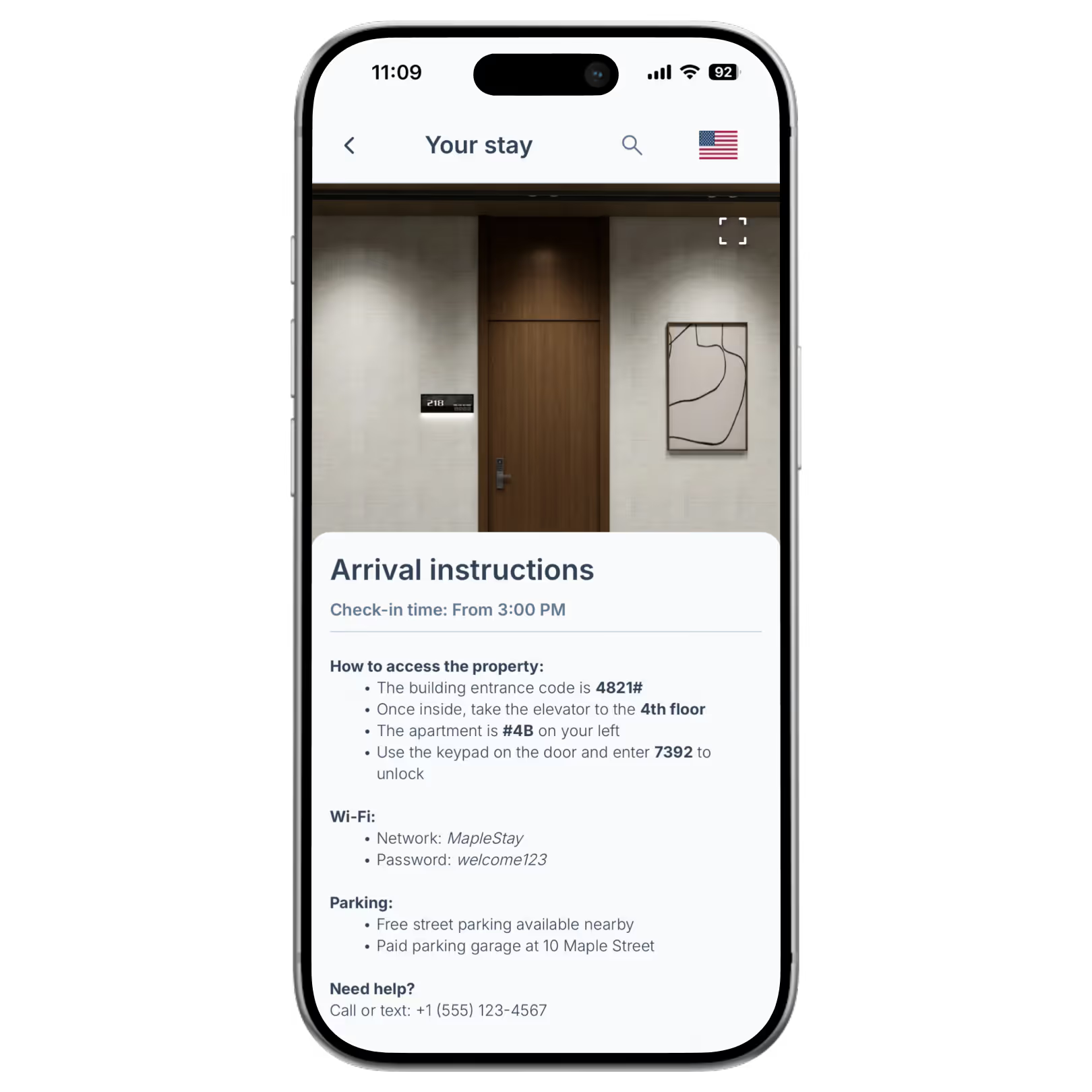
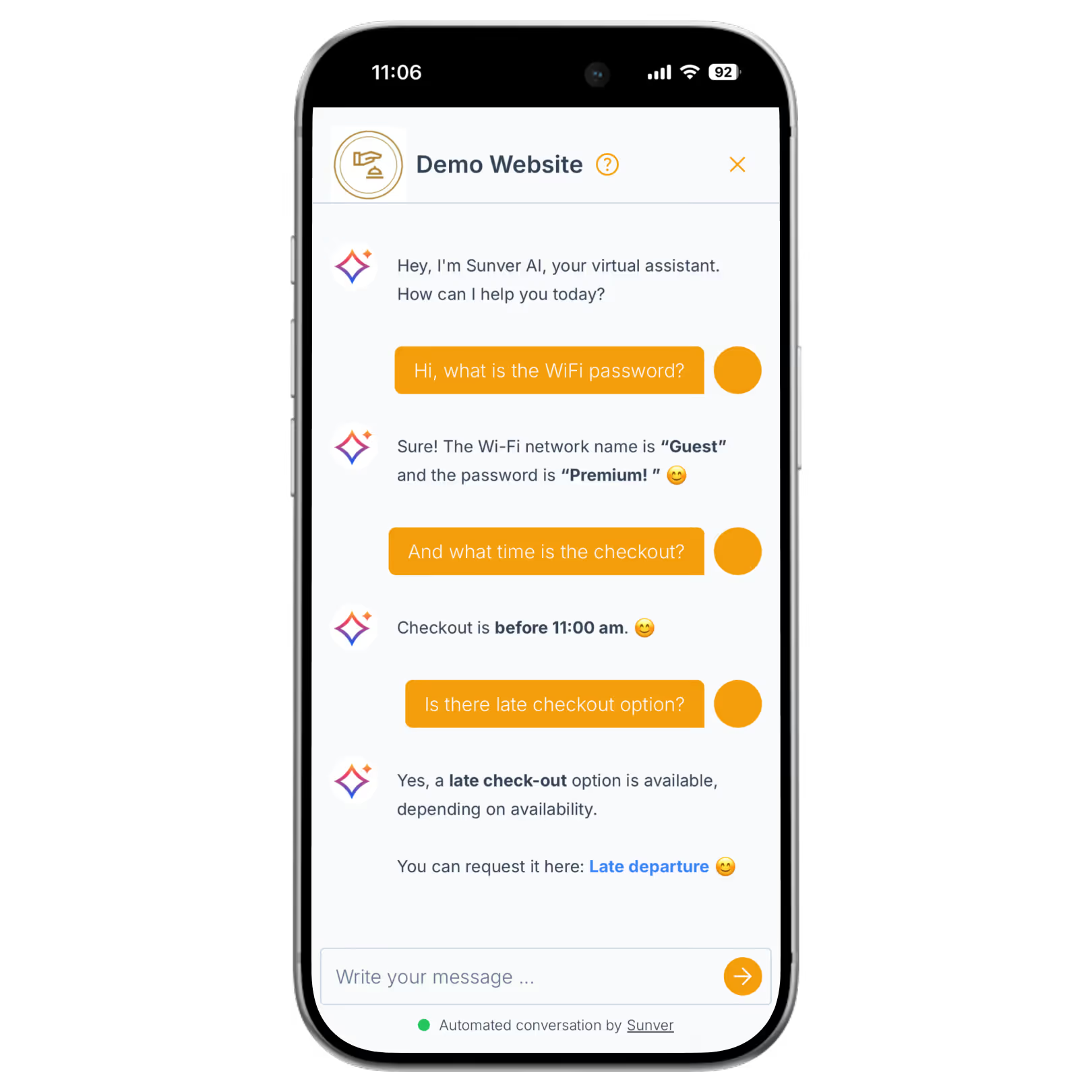
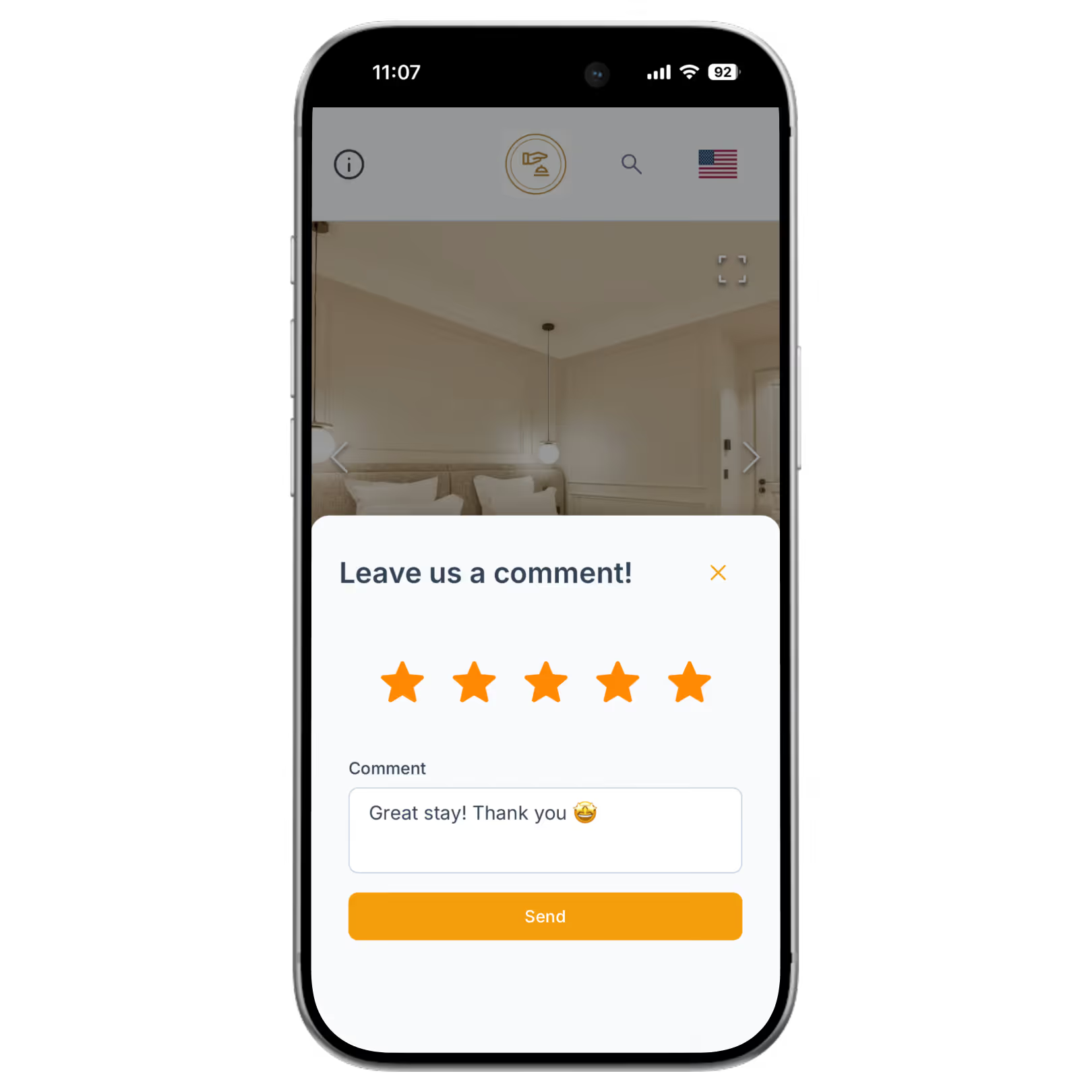
A web application accessible without download, via QR code or link, automatically translated into your guest’s language.
Frequently asked questions
Everything you need to know about Sunver.
What is Sunver?
Sunver is a solution that allows you to easily create your own digital welcome guidebook to simplify communication with your guests. It enhances the guest experience, saves you time every day, and helps you generate additional revenue. Setting up a guidebook is intuitive—similar to creating a Facebook profile.
How do I set up Sunver?
You can create your first guidebook directly from our website in just a few minutes and experience the simplicity of the solution for yourself. If you are a hospitality professional, our team also offers a full demo via video call, helping you with setup and customization.
How can I share my guidebook with guests?
There are two main ways to share your guidebook:
1. Send the link directly after booking or during the stay through your automated messages.Provide
2. QR code displays inside your accommodation so guests can scan and access the guidebook instantly.
You can also print your display for free from your Sunver dashboard or order physical QR code supports directly from our website.
Do my guests need to download anything?
No, your guests don’t need to download anything. Sunver runs as a web app, meaning it’s hosted online, loads quickly, and is instantly accessible. Thanks to automatic translation, the guidebook will open directly in the guest’s phone language.
Can I promote my additional services with Sunver?
Yes, absolutely. With the guidebook modules, you can create a true digital shop and showcase your services, products, or exclusive offers. By connecting your Stripe account, you can accept payments directly without any commission taken by Sunver. Guests can pay in just one click from their smartphone.
The digital welcome guide your guests deserve
Give your guests a seamless experience — all your information, services, and recommendations, right at their fingertips.