
Hotel Check-In Times Explained: A Complete Guide for Travelers and Hoteliers

Introduction: Why Check-In Times Matter More Than You Think
Few moments set the tone of a hotel stay as clearly as arrival. After hours of travel, guests expect a smooth transition from journey to comfort. Yet, check-in times often create confusion, frustration, or unmet expectations — especially when a room isn’t ready.
Understanding hotel check-in times helps travelers plan better and enables hospitality professionals to deliver a more seamless experience. Far from being arbitrary rules, these timeframes are rooted in operational realities, staffing constraints, and evolving guest expectations.
This guide breaks down everything you need to know: how check-in times work, why they exist, how flexible they really are, and how modern hotels are adapting to changing traveler habits.
What Are Hotel Check-In Times?
Hotel check-in time refers to the earliest point at which a guest can officially access their room. In most hotels, this falls between 3:00 PM and 4:00 PM, while check-out typically occurs around 10:00–12:00 AM.
However, these times are not universal. They vary based on:
- Hotel category (budget, boutique, luxury)
- Location and market demand
- Room count and occupancy rate
- Operational model (full service vs. limited service)
Urban business hotels may prioritize fast turnover, while resorts sometimes offer more flexibility due to longer stays.
Why Hotels Set Specific Check-In Times
Check-in schedules are primarily driven by logistics, not rigidity. Between check-out and check-in, hotels must complete a tightly choreographed sequence of tasks.
Behind the scenes, this includes:
- Housekeeping operations: Cleaning, linen replacement, sanitation, inspections
- Maintenance checks: Ensuring equipment, lighting, and climate systems function properly
- Room allocation: Managing upgrades, special requests, and last-minute changes
- Front desk flow: Avoiding congestion during peak arrival hours
Without defined check-in times, hotels would struggle to guarantee consistent quality and readiness.
How the Check-In Process Works
Although it may seem quick from the guest’s perspective, check-in involves several coordinated steps:
- Reservation verification
Confirmation details and identification are reviewed. - Payment authorization
A card may be requested for deposits or incidentals. - Room assignment
Based on room type, availability, and preferences. - Key issuance
Physical key cards or digital access credentials are provided. - Information sharing
Guests receive details about amenities, policies, and services.
A well-executed check-in balances efficiency with personal interaction — something many hotels continue to refine.
Are Check-In Times Strict or Flexible?
The level of flexibility depends on several factors:
- Occupancy levels: Fully booked hotels tend to be less flexible.
- Length of stay patterns: One-night stays create tighter turnovers.
- Staffing capacity: Housekeeping coverage impacts readiness.
- Guest profile: Loyalty members often receive priority.
In practice, many hotels are flexible when circumstances allow — especially if guests communicate in advance.
How to Arrive Early (or Late) Without Stress
Travel schedules don’t always align with hotel policies. Fortunately, there are practical ways to manage early or late arrivals.
If You Arrive Early
- Request early check-in in advance (sometimes free, sometimes paid)
- Use luggage storage to explore while waiting
- Ask for partial access to amenities (spa, gym, lounge)
- Book the previous night if arrival time is critical
If You Arrive Late
- Notify the hotel to avoid no-show cancellation
- Confirm late-night check-in procedures
- Ask about self-service access or after-hours entry options
Clear communication is the single most effective tool on both sides.
Tips for a Smooth Hotel Check-In Experience
For Guests
- Keep ID and confirmation ready
- Understand deposit and payment policies
- Review check-in rules before arrival
- Communicate special needs early
- Remain patient during peak hours
For Hotels
- Set expectations clearly before arrival
- Offer real-time arrival communication
- Provide alternatives when rooms aren’t ready
- Train staff for empathy, not just efficiency
A smooth check-in is less about speed and more about clarity.
How Check-In Is Evolving in Modern Hospitality
Guest expectations have shifted dramatically in recent years. Travelers now value control, transparency, and convenience as much as friendliness.
Key trends reshaping check-in:
- Mobile pre-check-in: Guests register before arrival
- Digital keys: Smartphones replace physical cards
- Self-service kiosks: Reduced waiting times
- Contactless processes: Fewer queues, more autonomy
- Personalized arrival windows: Flexible scheduling based on availability
These innovations don’t eliminate human service — they enhance it by removing friction.
Rethinking Check-In as Part of the Guest Experience
Check-in is no longer just an operational checkpoint. It’s the first chapter of the stay experience.
Hotels that treat arrival as a service moment — not an administrative task — consistently see higher satisfaction, better reviews, and increased loyalty.
When guests feel informed, welcomed, and respected from the start, everything that follows feels easier.
Frequently Asked Questions
What happens if I arrive before check-in time?
Most hotels allow luggage storage and may offer early access if rooms are available.
Can hotels charge for early check-in?
Yes. Some hotels offer guaranteed early access for a fee.
Is late check-in a problem?
Only if the hotel isn’t informed. Always notify them if arriving late.
Are check-in times changing permanently?
Yes. Flexibility and digital solutions are becoming standard across the industry.
Final Thoughts
Hotel check-in times exist for good reasons, but they are no longer fixed barriers. With better communication, smarter systems, and realistic expectations, both guests and hoteliers can turn arrival into a smooth, stress-free experience.
Understanding how check-in works — and how it’s evolving — empowers travelers to plan better and helps hospitality professionals deliver stays that start on the right note.
A great stay doesn’t begin in the room.
It begins at check-in.
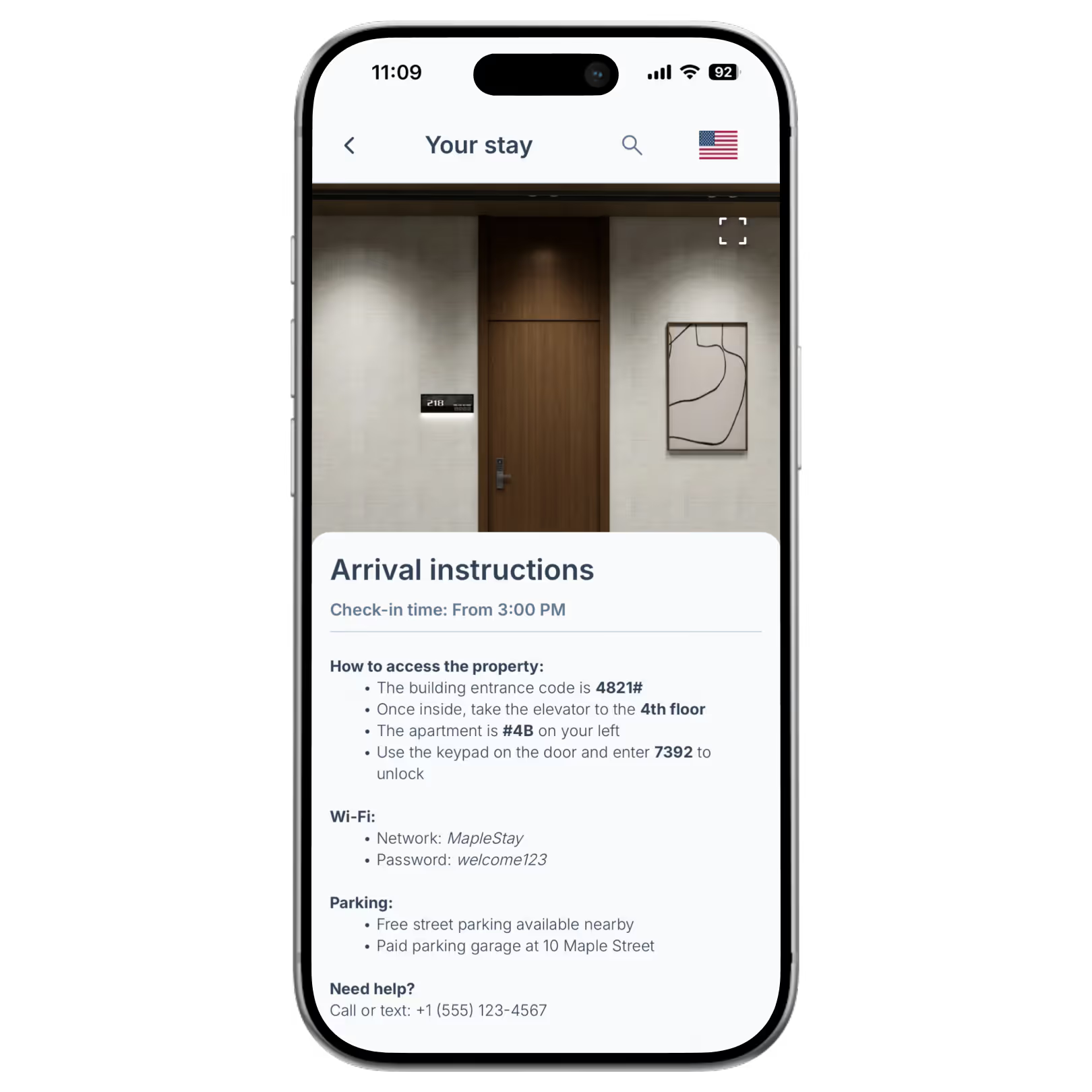
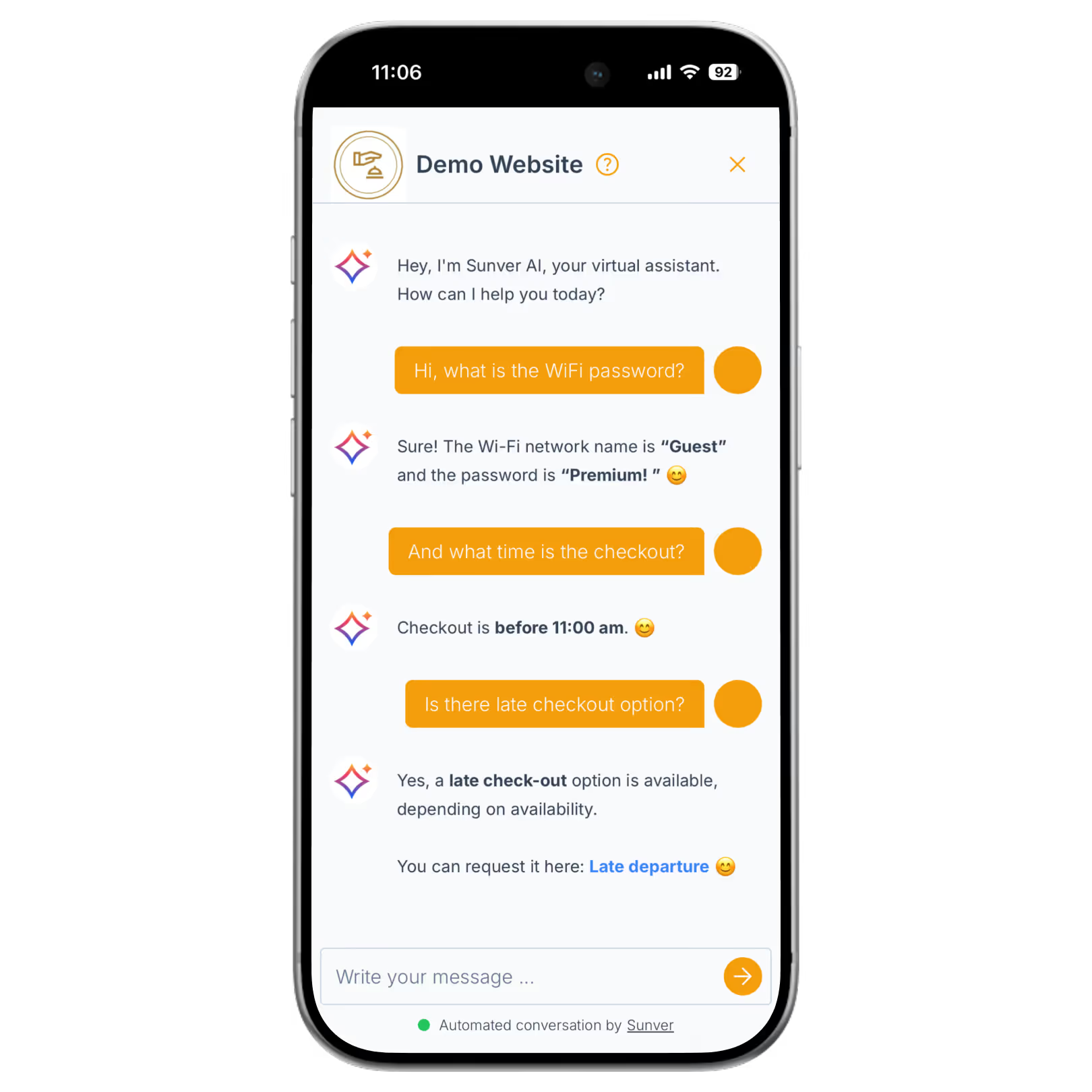
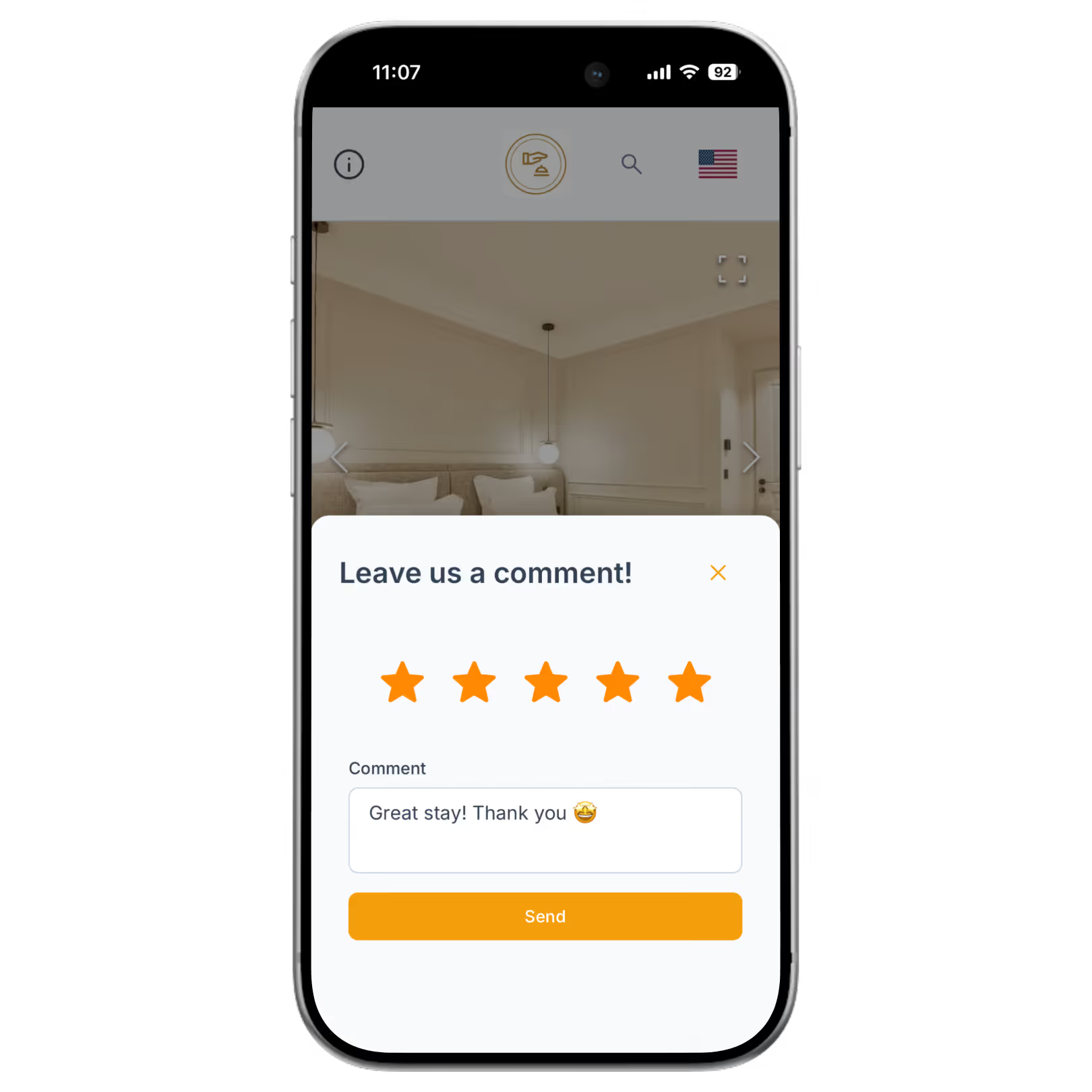
Much more than a welcome guidebook
A web application accessible without download, via QR code or link, automatically translated into your guest’s language.
Frequently asked questions
Everything you need to know about Sunver.
What is Sunver?
Sunver is a solution that allows you to easily create your own digital welcome guidebook to simplify communication with your guests. It enhances the guest experience, saves you time every day, and helps you generate additional revenue. Setting up a guidebook is intuitive—similar to creating a Facebook profile.
How do I set up Sunver?
You can create your first guidebook directly from our website in just a few minutes and experience the simplicity of the solution for yourself. If you are a hospitality professional, our team also offers a full demo via video call, helping you with setup and customization.
How can I share my guidebook with guests?
There are two main ways to share your guidebook:
1. Send the link directly after booking or during the stay through your automated messages.Provide
2. QR code displays inside your accommodation so guests can scan and access the guidebook instantly.
You can also print your display for free from your Sunver dashboard or order physical QR code supports directly from our website.
Do my guests need to download anything?
No, your guests don’t need to download anything. Sunver runs as a web app, meaning it’s hosted online, loads quickly, and is instantly accessible. Thanks to automatic translation, the guidebook will open directly in the guest’s phone language.
Can I promote my additional services with Sunver?
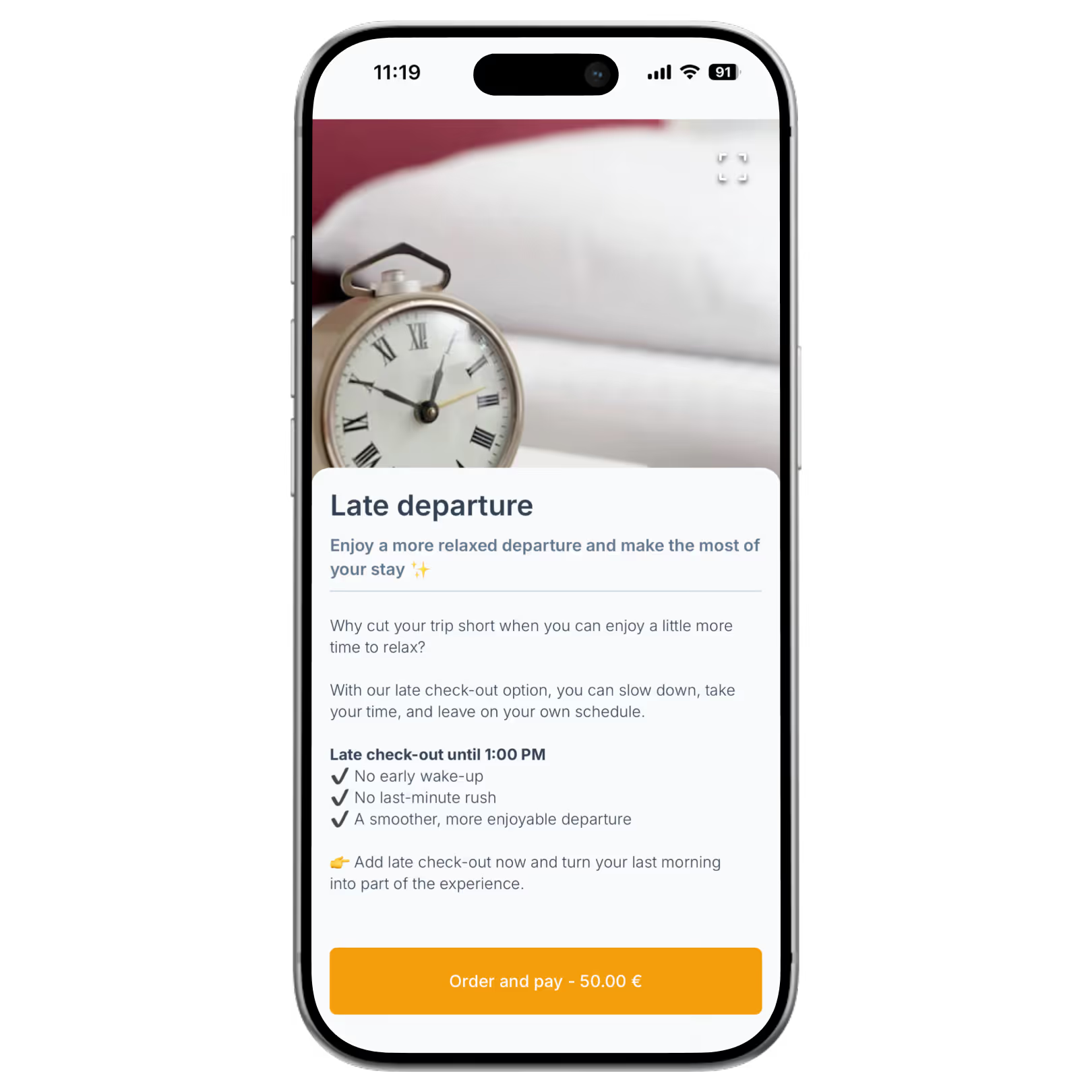
Yes, absolutely. With the guidebook modules, you can create a true digital shop and showcase your services, products, or exclusive offers. By connecting your Stripe account, you can accept payments directly without any commission taken by Sunver. Guests can pay in just one click from their smartphone.
The digital welcome guide your guests deserve
Give your guests a seamless experience — all your information, services, and recommendations, right at their fingertips.