
How to Start an Airbnb Business Without Owning Property (Complete 2026 Guide)
Introduction
Starting an Airbnb business used to require one major barrier: owning property. Today, that’s no longer the case. With the rise of flexible business models like rental arbitrage, co-hosting, and short-term rental management, it’s entirely possible to build a profitable operation without buying real estate.
Whether you're looking for a side income or aiming to build a scalable hospitality business, this guide walks you through everything you need to know — from choosing the right model to launching and growing successfully.
Can You Really Make Money Without Owning Property?
Yes — and in many cases, it’s one of the fastest ways to enter the short-term rental market.
Your earnings will depend on three key factors:
- Your business model
- Your location
- Your operational efficiency
Here’s a quick breakdown of realistic income potential:
- Rental arbitrage: Profit margins often range from a few hundred to several thousand euros per month per property, depending on demand and costs.
- Co-hosting: Typically 10–25% commission per booking. Managing multiple listings can quickly generate a full-time income.
- Property management: Scalable model with 15–30% fees. Experienced operators can manage dozens of units and generate substantial revenue.
The common thread? You’re leveraging assets you don’t own — but controlling the guest experience.
The 3 Main Airbnb Business Models (Without Owning Property)
1. Rental Arbitrage
Rental arbitrage involves renting a property long-term and subletting it on short-term platforms like Airbnb.
Why it works:
- You profit from the difference between monthly rent and short-term income.
- No need for property ownership.
Challenges:
- Requires landlord approval.
- Upfront setup costs (furniture, decor).
- Must comply with local regulations.
Best for: Entrepreneurs ready to take calculated risks for higher returns.
2. Co-Hosting
As a co-host, you manage listings on behalf of property owners.
Your role may include:
- Guest communication
- Pricing optimization
- Cleaning coordination
- Listing management
Advantages:
- Very low startup costs
- No financial risk from rent
- Easy to start and scale
Best for: Beginners or those looking for a service-based business.
3. Property Management
This is the most scalable model. You manage multiple properties end-to-end.
Typical services:
- Listing creation and optimization
- Revenue management
- Guest experience
- Maintenance coordination
Why it stands out:
- Recurring income
- High scalability
- Strong long-term business potential
Best for: Those aiming to build a structured, multi-property business.
Legal and Financial Considerations (Don’t Skip This)
Before launching, make sure your business is compliant and financially viable.
Legal Essentials
- Local regulations: Short-term rental laws vary widely by city.
- Permissions: Always get written approval from landlords.
- Licensing: Some cities require permits or registration numbers.
Ignoring regulations is one of the fastest ways to shut down your business.
Financial Basics
- Startup costs: Furniture, decoration, cleaning setup, photos
- Insurance: Specialized short-term rental coverage is essential
- Cash flow planning: Ensure you can cover rent during low occupancy periods
- Taxes: Track all income and expenses carefully
A simple rule: treat this like a real business from day one.
Step-by-Step: How to Start Your Airbnb Business
1. Research Your Market
Start by identifying profitable locations.
Look for:
- High tourist demand
- Strong business travel activity
- Limited competition or underserved niches
Use data tools or analyze Airbnb listings manually:
- Nightly prices
- Occupancy rates
- Reviews and positioning
2. Secure Your First Property (or Client)
This is often the hardest step.
For rental arbitrage:
- Present a professional proposal to landlords
- Emphasize guaranteed rent and property care
For co-hosting/management:
- Reach out to existing hosts
- Offer to improve their listing performance
Tip: Position yourself as a professional partner, not just a tenant or assistant.
3. Create a High-Converting Listing
Your listing is your storefront.
Focus on:
- Professional photography (non-negotiable)
- Clear, benefit-driven descriptions
- SEO-friendly titles (e.g., “Modern city apartment with balcony”)
- Competitive pricing
Small details make a big difference in conversion rates.
4. Deliver an Outstanding Guest Experience
This is where most businesses win or fail.
A great experience leads to:
- Better reviews
- Higher rankings
- More bookings
Key elements:
- Fast, friendly communication
- Smooth check-in process
- Clean, well-maintained space
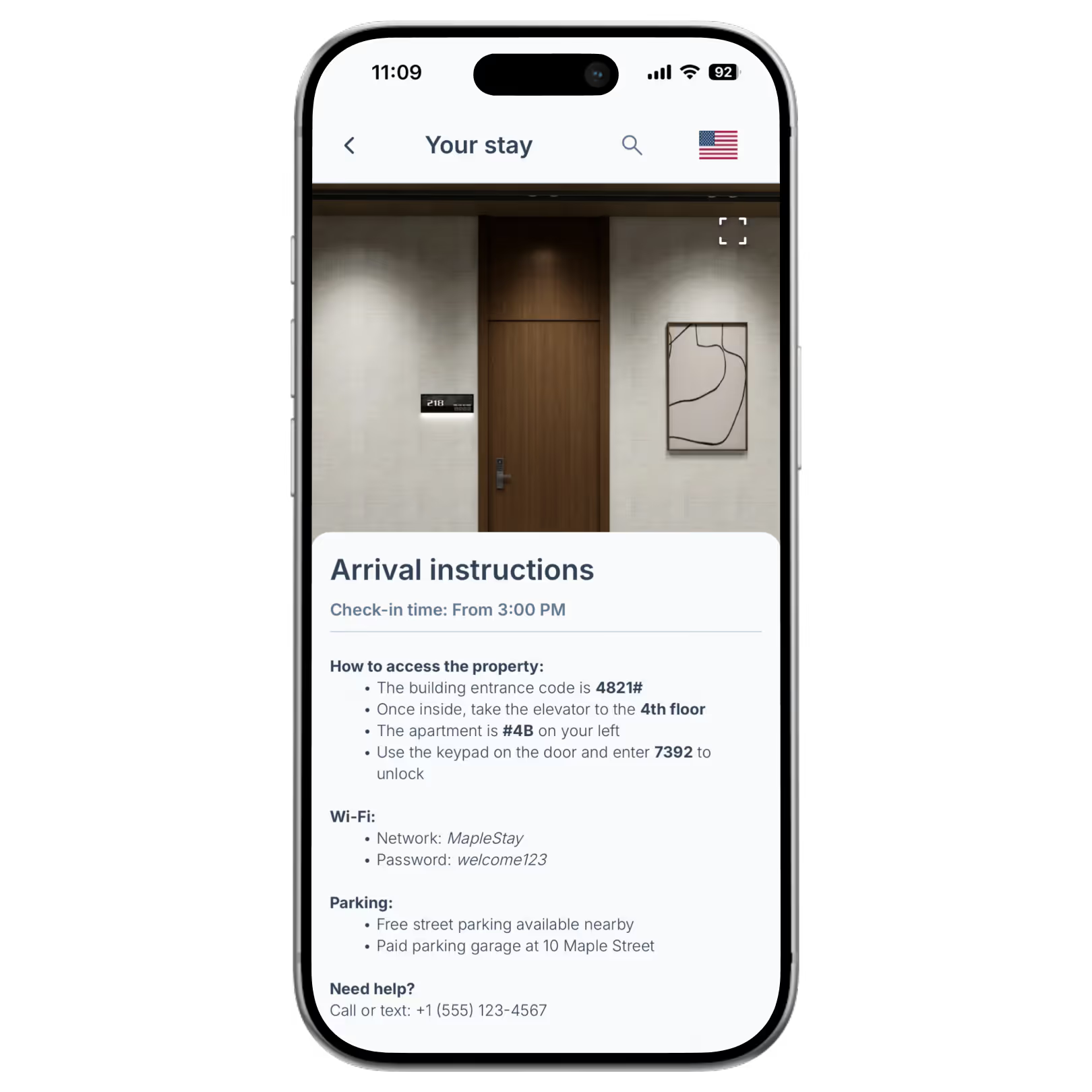
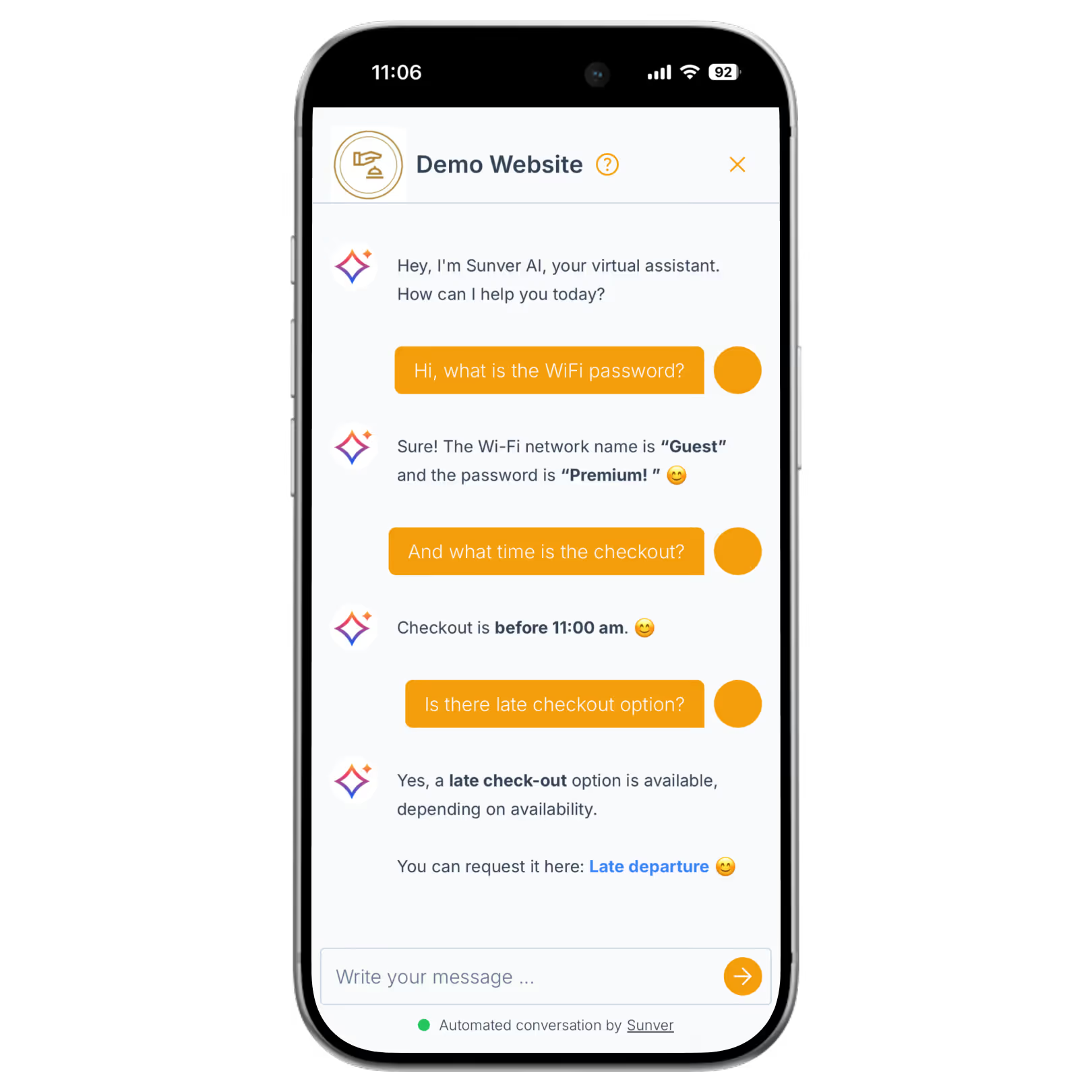
Providing clear, centralized information to guests is also essential. Many operators now use digital tools to share house rules, Wi-Fi details, and local recommendations in one place — reducing repetitive questions and improving satisfaction .
5. Automate and Optimize Operations
To scale, you need systems.
Use tools for:
- Automated messaging
- Dynamic pricing
- Task management (cleaning, maintenance)
Outsource when needed — especially cleaning and support.
6. Market Your Listings
Even though platforms bring traffic, standing out is key.
- Optimize your listing for search visibility
- Use social media to showcase your properties
- Build a simple website to strengthen your brand
Over time, strong branding increases trust — and bookings.
10 Practical Tips to Succeed Faster
- Choose a niche: Business travelers, families, luxury stays, etc.
- Focus on design: A well-designed space can justify higher prices.
- Use dynamic pricing: Adjust rates based on demand.
- Automate communication: Save time and improve responsiveness.
- Build a reliable team: Cleaners and maintenance are critical.
- Simplify check-in: Smart locks or lockboxes are essential.
- Track performance: Monitor occupancy, revenue, and reviews.
- Overdeliver on experience: Small touches create memorable stays.
- Stay compliant: Regulations evolve — stay updated.
- Think long-term: Build a brand, not just listings.
Common Mistakes to Avoid
- Starting without checking local laws
- Underestimating costs (especially setup and cleaning)
- Poor communication with guests
- Low-quality photos
- Trying to manage everything alone
Avoiding these pitfalls can save you months of frustration.
FAQ: Starting an Airbnb Business Without Property
Is rental arbitrage legal?
It depends on your city and your lease agreement. Always get written permission and check local laws.
How much money do I need to start?
- Co-hosting: almost zero
- Rental arbitrage: €3,000–€10,000 depending on setup
- Property management: minimal, mostly time investment
How long before I see profit?
Many operators become profitable within 2–6 months, depending on setup and occupancy.
Final Thoughts
Starting an Airbnb business without owning property is not only possible — it’s one of the most accessible ways to enter the hospitality industry today.
The key is to approach it professionally:
- Choose the right model
- Understand your market
- Focus relentlessly on guest experience
Start small, learn quickly, and scale strategically. With the right systems in place, what begins as a side project can evolve into a highly profitable business.
Much more than a welcome guidebook
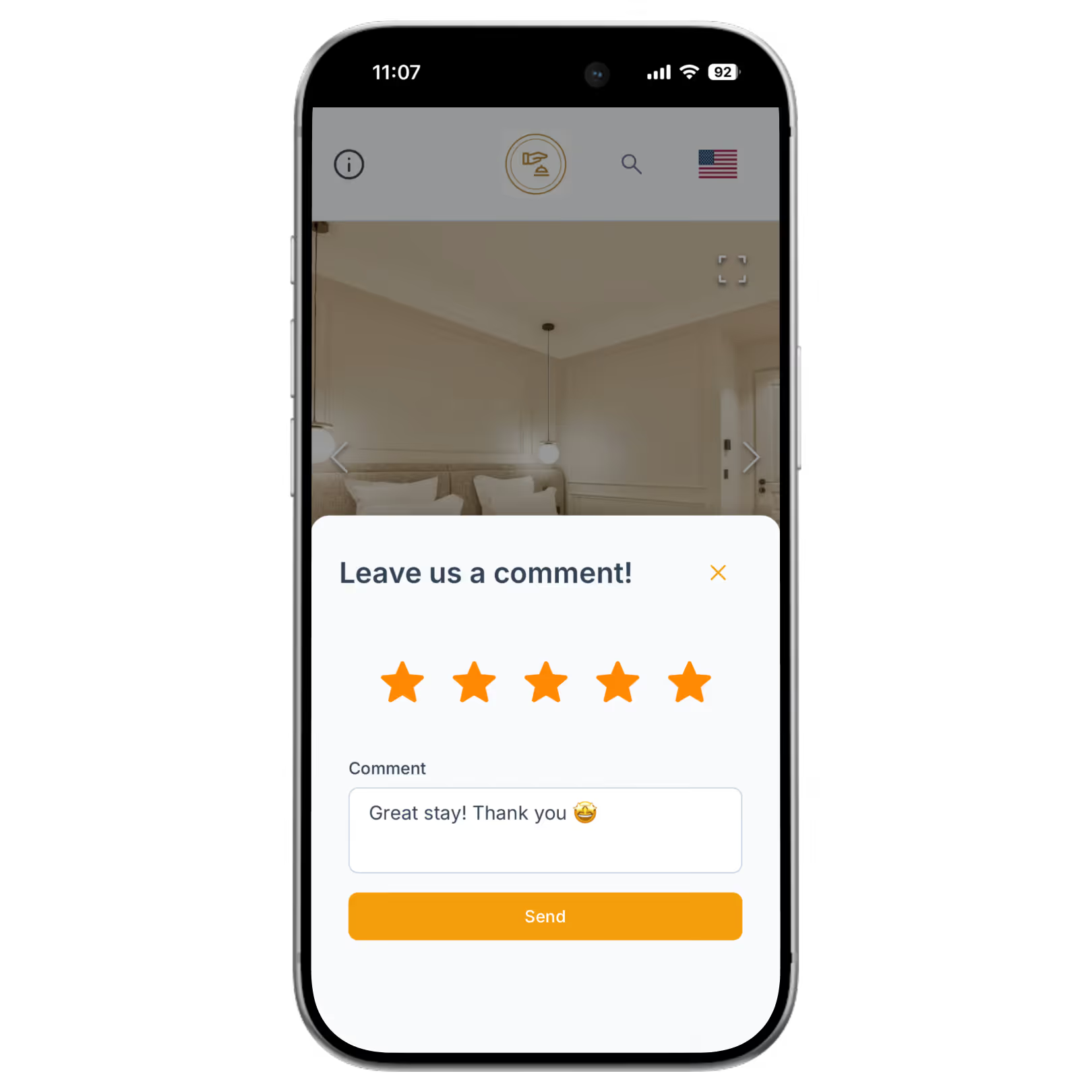
A web application accessible without download, via QR code or link, automatically translated into your guest’s language.
Frequently asked questions
Everything you need to know about Sunver.
What is Sunver?
Sunver is a solution that allows you to easily create your own digital welcome guidebook to simplify communication with your guests. It enhances the guest experience, saves you time every day, and helps you generate additional revenue. Setting up a guidebook is intuitive—similar to creating a Facebook profile.
How do I set up Sunver?
You can create your first guidebook directly from our website in just a few minutes and experience the simplicity of the solution for yourself. If you are a hospitality professional, our team also offers a full demo via video call, helping you with setup and customization.
How can I share my guidebook with guests?
There are two main ways to share your guidebook:
1. Send the link directly after booking or during the stay through your automated messages.Provide
2. QR code displays inside your accommodation so guests can scan and access the guidebook instantly.
You can also print your display for free from your Sunver dashboard or order physical QR code supports directly from our website.
Do my guests need to download anything?
No, your guests don’t need to download anything. Sunver runs as a web app, meaning it’s hosted online, loads quickly, and is instantly accessible. Thanks to automatic translation, the guidebook will open directly in the guest’s phone language.
Can I promote my additional services with Sunver?
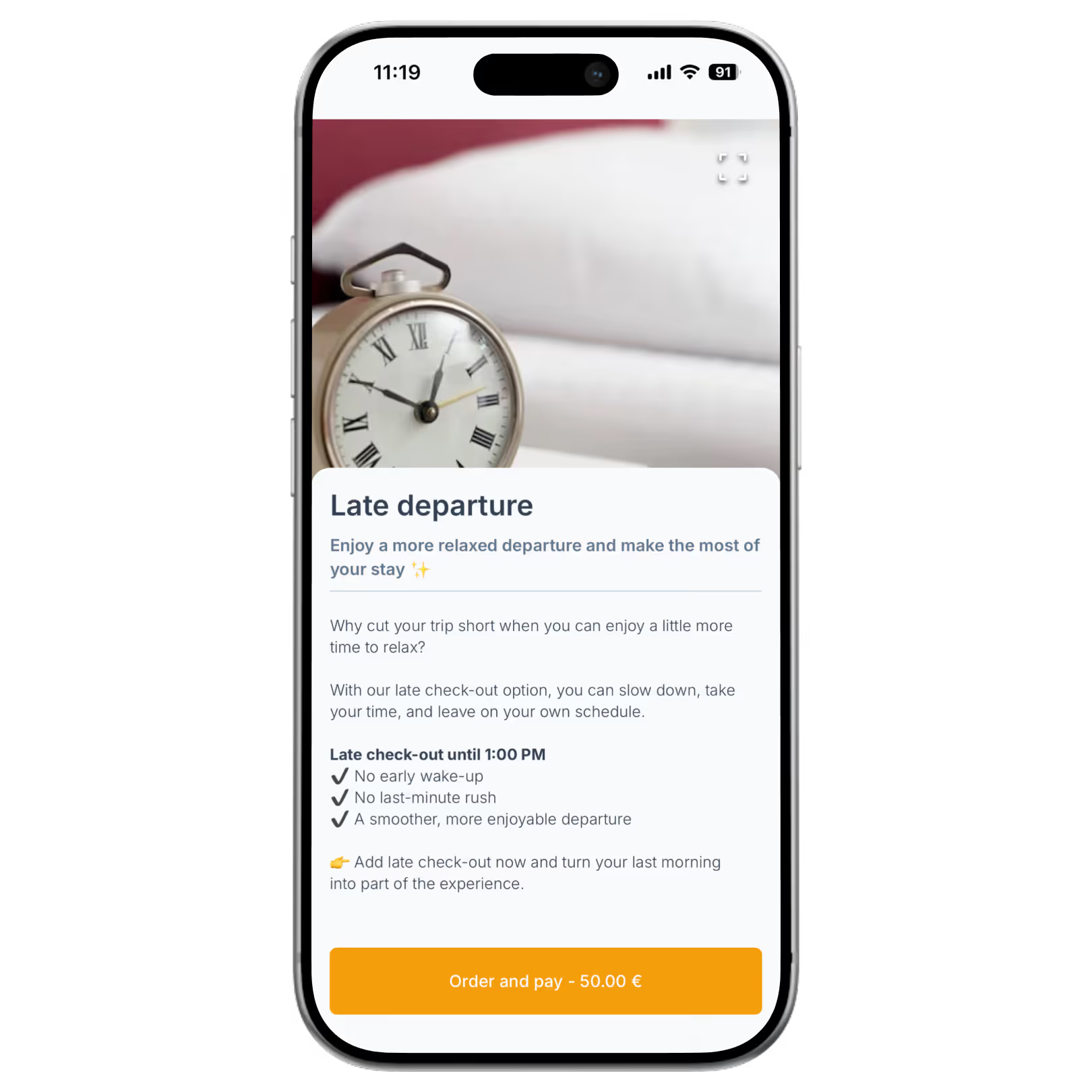
Yes, absolutely. With the guidebook modules, you can create a true digital shop and showcase your services, products, or exclusive offers. By connecting your Stripe account, you can accept payments directly without any commission taken by Sunver. Guests can pay in just one click from their smartphone.
The digital welcome guide your guests deserve
Give your guests a seamless experience — all your information, services, and recommendations, right at their fingertips.