
An ordinary day in a rental... and all the micro-decisions no one sees

We often talk about guest experience as something global. A good stay. A bad stay. A review. A rating.
But in reality, experience doesn’t happen all at once. It’s built through dozens of micro-decisions, made quietly by guests throughout their stay, often without saying a word.
Here is what an ordinary day in a rental really looks like, from the inside.
The context: a very typical stay
- One-bedroom city apartment in Paris
- Self check-in
- Short stay (2 nights)
- International travelers (a couple and their child)
- Information technically available… somewhere
Nothing unusual. And yet, this is exactly where most guest experience issues are created or avoided.
Before arrival: “I’ll check it later”
Two days before arrival, the guest receives:
- a booking confirmation,
- a welcome message,
- a link to practical information.
They open it. They scroll. They don’t really read.
Not because they don’t care, but because they think they don’t need it yet. They tell themselves they’ll come back to it later.Most of the time, they don’t.
First micro-decision: not now.
Arrival day, standing outside the building: “Is this the right place?”
It’s 4:12 PM. The guest is in front of the building.
They hesitate:
- Is this the correct entrance?
- Is this the right door code?
- Should I push or pull?
The information exists. But it’s not immediately accessible. They search. They scroll. Then they send a message.
Micro-decision: I’d rather ask than make a mistake.
This isn’t a content problem. It’s a timing and accessibility problem.
Late evening: “I’ll try to figure it out myself”
It’s almost 11 PM. The heating doesn’t work as expected. Or the AC. Or the hot water. The guest knows the explanation exists somewhere. But they don’t have the energy to search for it. They try a few buttons. It sort of works.
Micro-decision: I won’t message, I’ll manage.
From the host’s side, there’s no message. But from the guest’s perspective, a silent friction has just happened.
The next day: services that don’t exist (apparently)
The guest wakes up and plans their day.
They might have liked:
- an early check-in,
- a late check-out,
- luggage storage.
But nothing is clearly presented. Nothing is framed. Nothing is visible.
So they don’t ask.
Not because they’re not interested, but because they don’t know:
- if it’s possible,
- if it costs extra,
- how it works.
Micro-decision: I won’t push it.
This is rarely a rejection. More often, it’s quiet resignation.
Departure day: “I’ll stick to the plan”
On departure morning, everything is ready. The guest leaves at the scheduled time.
They could have stayed longer. But they were never really given the opportunity to decide.
Final micro-decision: I adapt to the unclear framework.
What this ordinary day actually reveals
This stay wasn’t bad. But it wasn’t remarkable either.
It was functional, with:
- small hesitations,
- unspoken needs,
- silent compromises,
- missed opportunities.
Most importantly: many decisions were made by default, not by choice.
When information is structured, decisions change
In rentals where:
- key information is visible at the right moment,
- services are clearly presented,
- options are understandable without conversation,
guests don’t ask more questions. They simply make better decisions.
And paradoxically:
- fewer messages,
- less stress,
- fewer interruptions,
- higher overall satisfaction.
How a digital welcome book changes the entire dynamic
In this exact type of stay, the difference doesn’t come from adding more information. It comes from structuring it differently.
With a well-designed digital welcome book, this same stay would have unfolded very differently:
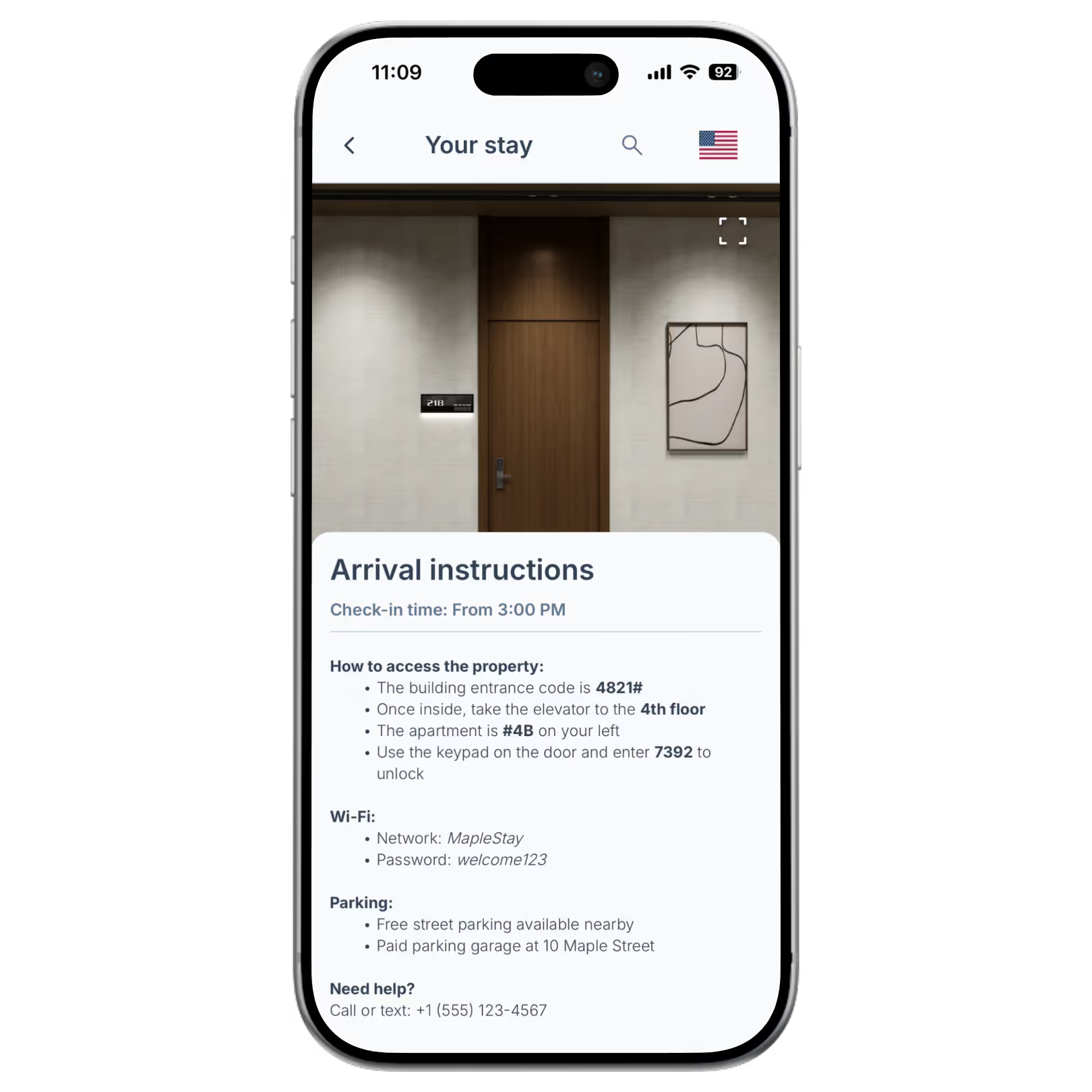
Arrival instructions would be immediately accessible at the exact moment the guest needs them, no scrolling, no searching.
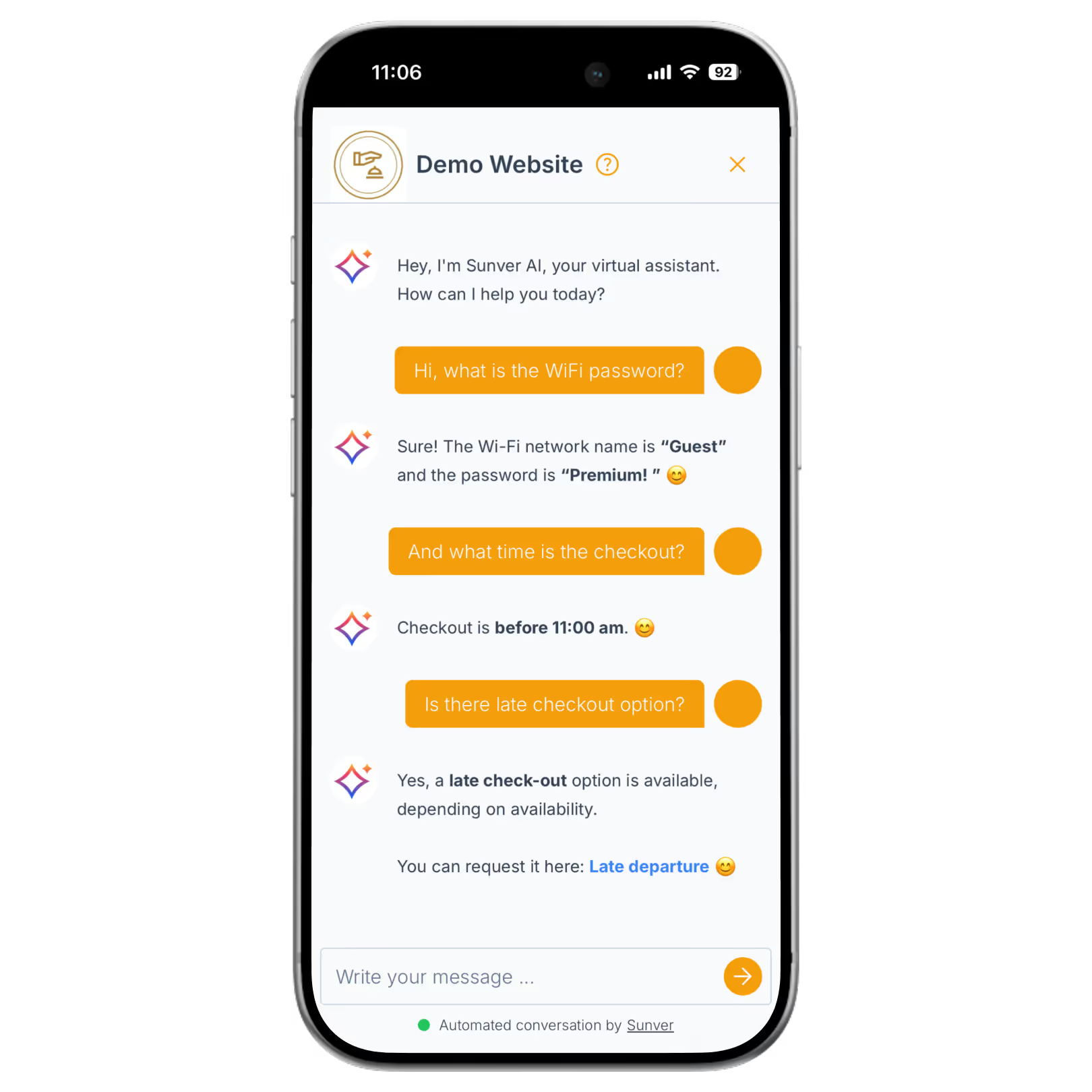
Practical information (Wi-Fi, heating, equipment) would be organized by situation, not by document.
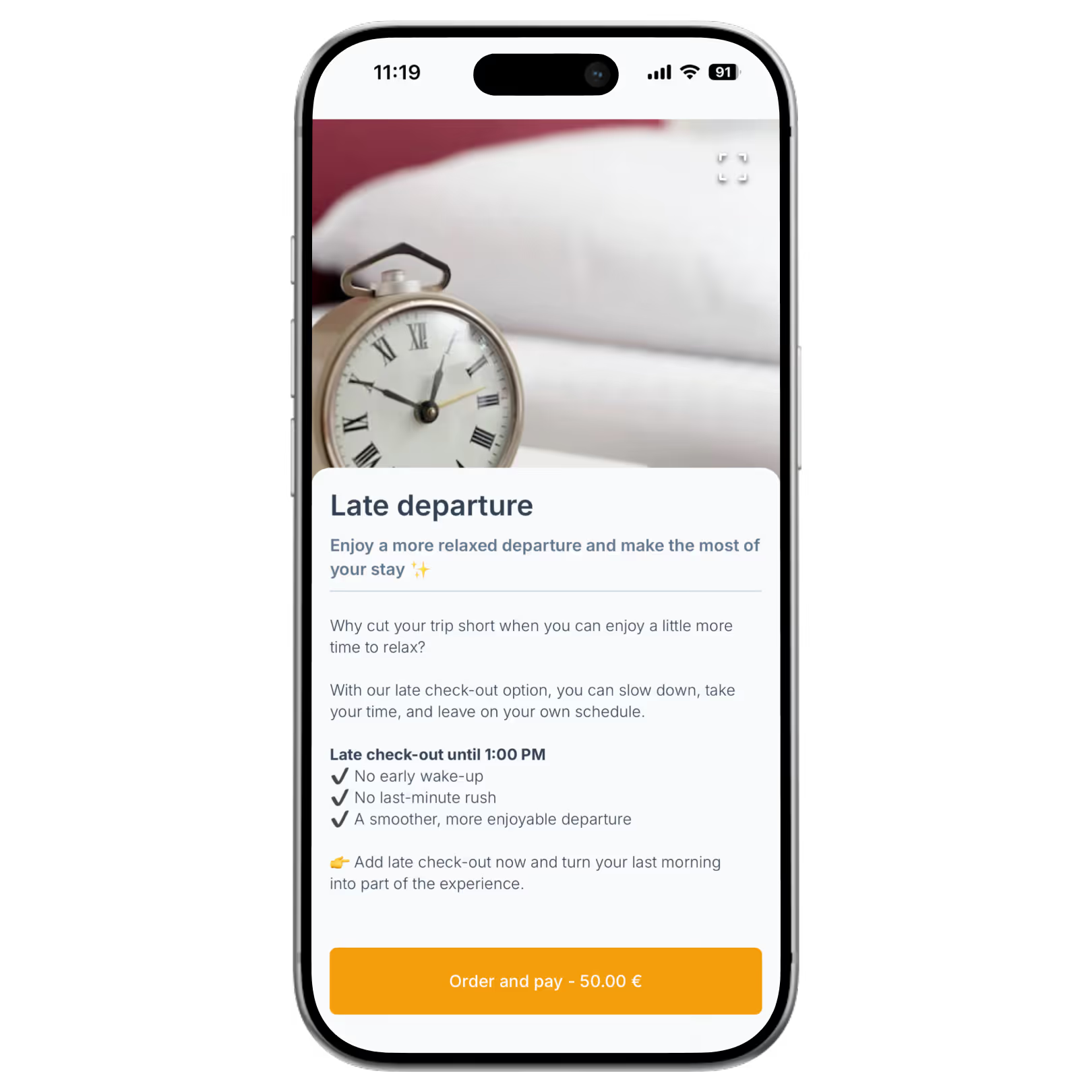
Optional services like early check-in, late check-out or luggage storage would be clearly visible, with: a short explanation, a fixed price, and the possibility to book autonomously.
The stay doesn’t become more complicated. It becomes simpler, for everyone involved.
Final thought
A digital welcome book isn’t about “adding a tool”. It’s about removing friction at every micro-decision point. And that’s often what truly defines a great hospitality experience.
Much more than a welcome guidebook
A web application accessible without download, via QR code or link, automatically translated into your guest’s language.
Frequently asked questions
Everything you need to know about Sunver.
What is Sunver?
Sunver is a solution that allows you to easily create your own digital welcome guidebook to simplify communication with your guests. It enhances the guest experience, saves you time every day, and helps you generate additional revenue. Setting up a guidebook is intuitive—similar to creating a Facebook profile.
How do I set up Sunver?
You can create your first guidebook directly from our website in just a few minutes and experience the simplicity of the solution for yourself. If you are a hospitality professional, our team also offers a full demo via video call, helping you with setup and customization.
How can I share my guidebook with guests?
There are two main ways to share your guidebook:
1. Send the link directly after booking or during the stay through your automated messages.Provide
2. QR code displays inside your accommodation so guests can scan and access the guidebook instantly.
You can also print your display for free from your Sunver dashboard or order physical QR code supports directly from our website.
Do my guests need to download anything?
No, your guests don’t need to download anything. Sunver runs as a web app, meaning it’s hosted online, loads quickly, and is instantly accessible. Thanks to automatic translation, the guidebook will open directly in the guest’s phone language.
Can I promote my additional services with Sunver?
Yes, absolutely. With the guidebook modules, you can create a true digital shop and showcase your services, products, or exclusive offers. By connecting your Stripe account, you can accept payments directly without any commission taken by Sunver. Guests can pay in just one click from their smartphone.
The digital welcome guide your guests deserve
Give your guests a seamless experience — all your information, services, and recommendations, right at their fingertips.