
Smart Hotels: How Connected Technology Is Redefining the Modern Guest Experience
%20(1).jpg)
The Rise of the Smart Hotel
The hospitality sector is undergoing one of the fastest technological shifts in its history. Guests who travel frequently—whether for business, leisure, or long stays—now expect an experience that is intuitive, seamless, and as connected as their everyday life at home. This rapidly evolving landscape has given birth to the concept of the smart hotel: an establishment where digital tools and automated solutions work together to create a smoother, more efficient, and more personalized stay.
A smart hotel is far more than a few gadgets or futuristic devices. It’s a complete rethinking of how hotels welcome, inform, assist, and serve their guests. From the moment a reservation is made until long after checkout, digital interactions enhance comfort, eliminate friction, and free staff from repetitive tasks—allowing them to focus on high-value human service.
What Makes a Hotel “Smart”?
1. Mobile and Contactless Arrival
The first impression often sets the tone for the entire stay. In a smart hotel, arrivals are simplified:
- Online check-in from any device
- Fully digital registration forms
- No waiting in line at the reception desk
- Electronic keys sent directly to the guest’s phone
This approach reduces operational pressure and meets guests’ growing demand for autonomy and flexibility.
2. Digital Room Access and In-Room Controls
Smart-room technology allows guests to personalize their environment effortlessly. Using their phone or a dedicated interface, they can adjust:
- Room temperature and lighting
- Blinds and curtains
- Television, entertainment systems, or streaming apps
- Room cleaning schedules or “Do Not Disturb” settings
In-room automation enhances comfort while enabling hotels to monitor and optimize energy consumption.
3. A Centralized Digital Guest Hub
Instead of relying on paper documents or scattered information, smart hotels provide a single digital touchpoint where guests can access:
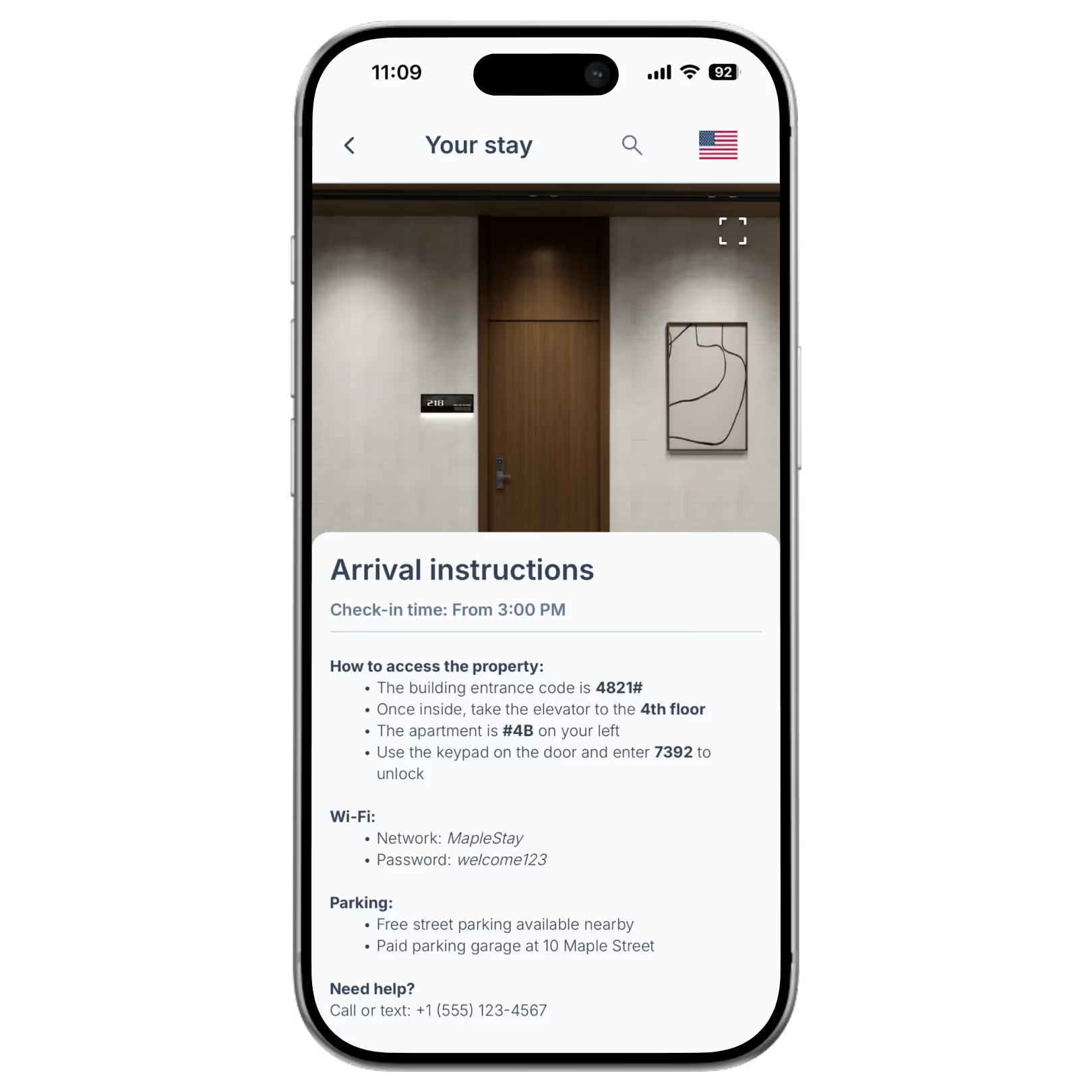
- Practical information (Wi-Fi, check-out time, parking, amenities)
- Hotel services (spa, fitness, breakfast, transport)
- Local recommendations curated by the staff
- Room service menus or interactive F&B ordering
- Maintenance requests or direct communication with the team
This hub, accessible through a link or QR code, ensures that guests always have the right information at the right moment.
4. AI-Powered Assistance
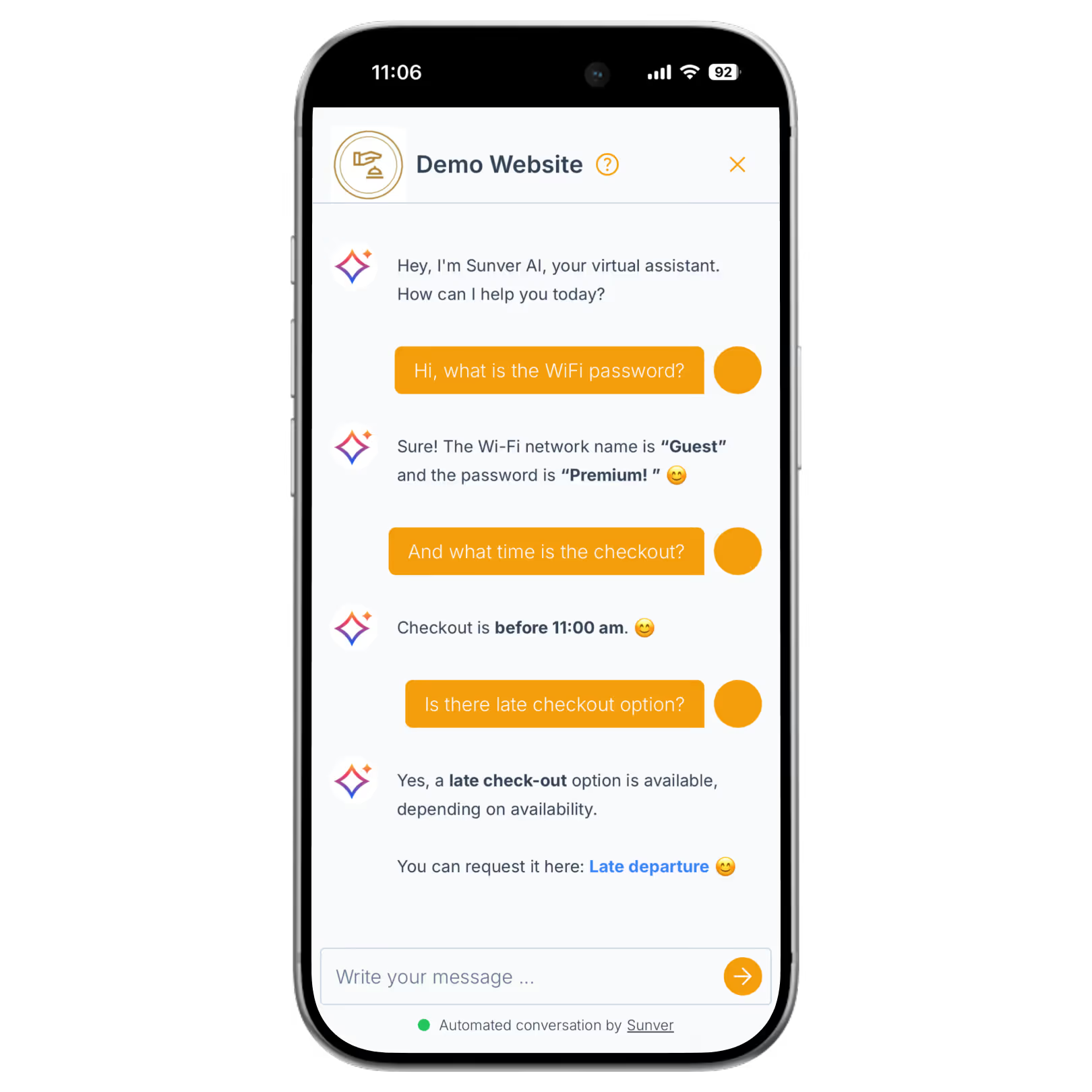
Artificial intelligence already plays a discreet yet powerful role in hospitality. Modern AI assistants can instantly answer guest questions, provide instructions, recommend activities, and automate routine communication such as:
- “How do I access the Wi-Fi?”
- “Where can I park?”
- “What’s the best restaurant nearby?”
- “Can I request extra towels?”
With 24/7 availability in multiple languages, AI support drastically reduces the volume of repetitive inquiries and supports staff even during peak periods.
5. Integrated Payments and Upsell Opportunities
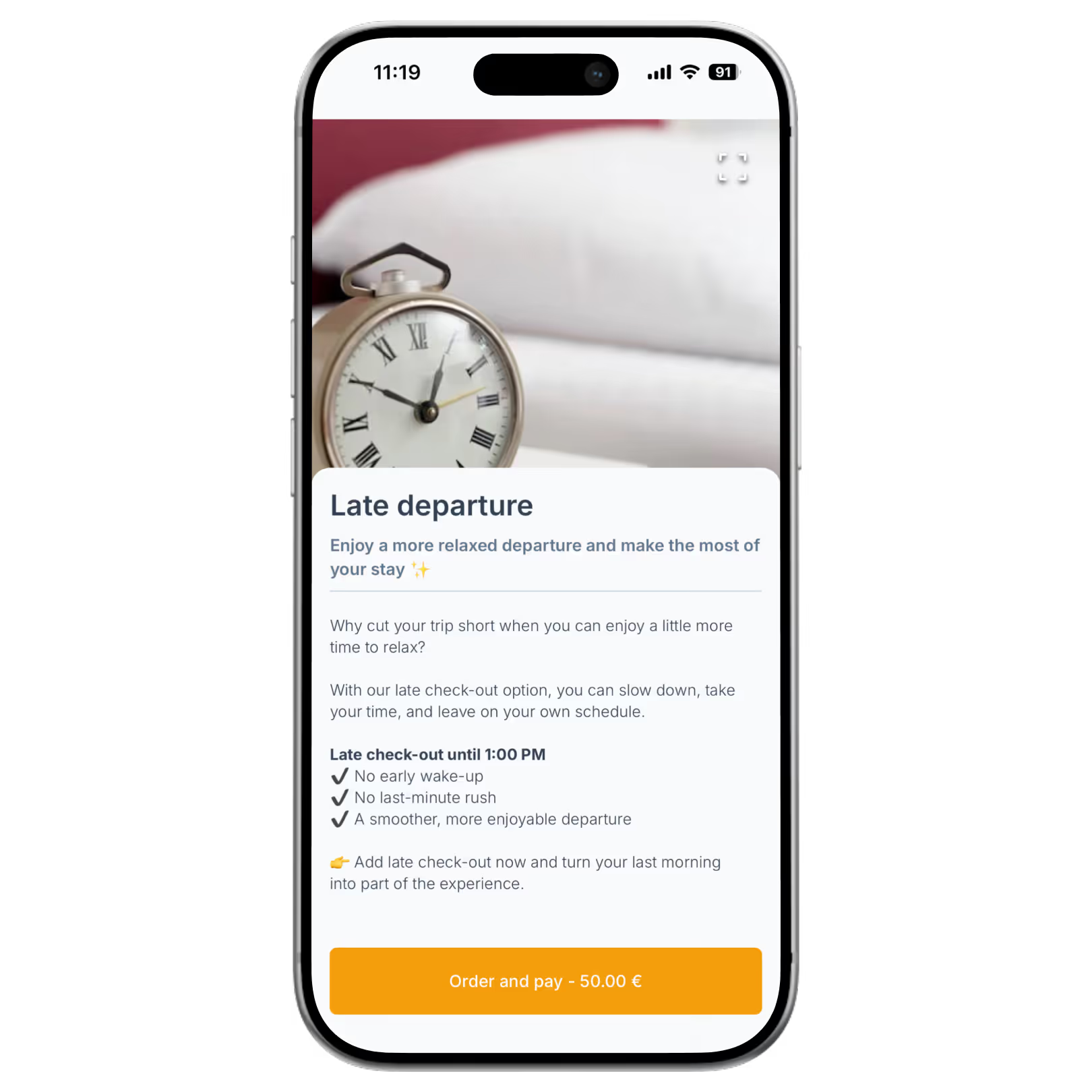
Smart hotels also improve revenue by making additional services more visible and easier to purchase. Guests can book and pay for:
- Late check-outs or early arrivals
- Spa treatments or wellness experiences
- Transportation and airport transfers
- Local tours, events, and activities
- Food & beverage services
By removing friction from the buying process, hotels increase average spend while creating a smoother guest journey.
Why Smart Hotels Are Becoming the New Standard
Enhanced Guest Satisfaction
Connected technology increases comfort, autonomy, and clarity—three pillars of a positive hotel experience. Guests avoid queues, receive instant information, and enjoy a personalized stay without having to make repeated requests.
Operational Efficiency
A large portion of hotel inquiries concern the same recurring questions. Automating answers and streamlining processes allows reception staff to focus on hospitality, operations, and exceptional service. This is especially important in a sector facing chronic staffing shortages.
Cost Savings and Energy Optimization
Smart energy management systems and connected devices help reduce waste by adjusting heating, cooling, and lighting based on occupancy. Maintenance becomes more predictable, and breakdowns can be anticipated through automated monitoring.
Improved Reputation and Guest Loyalty
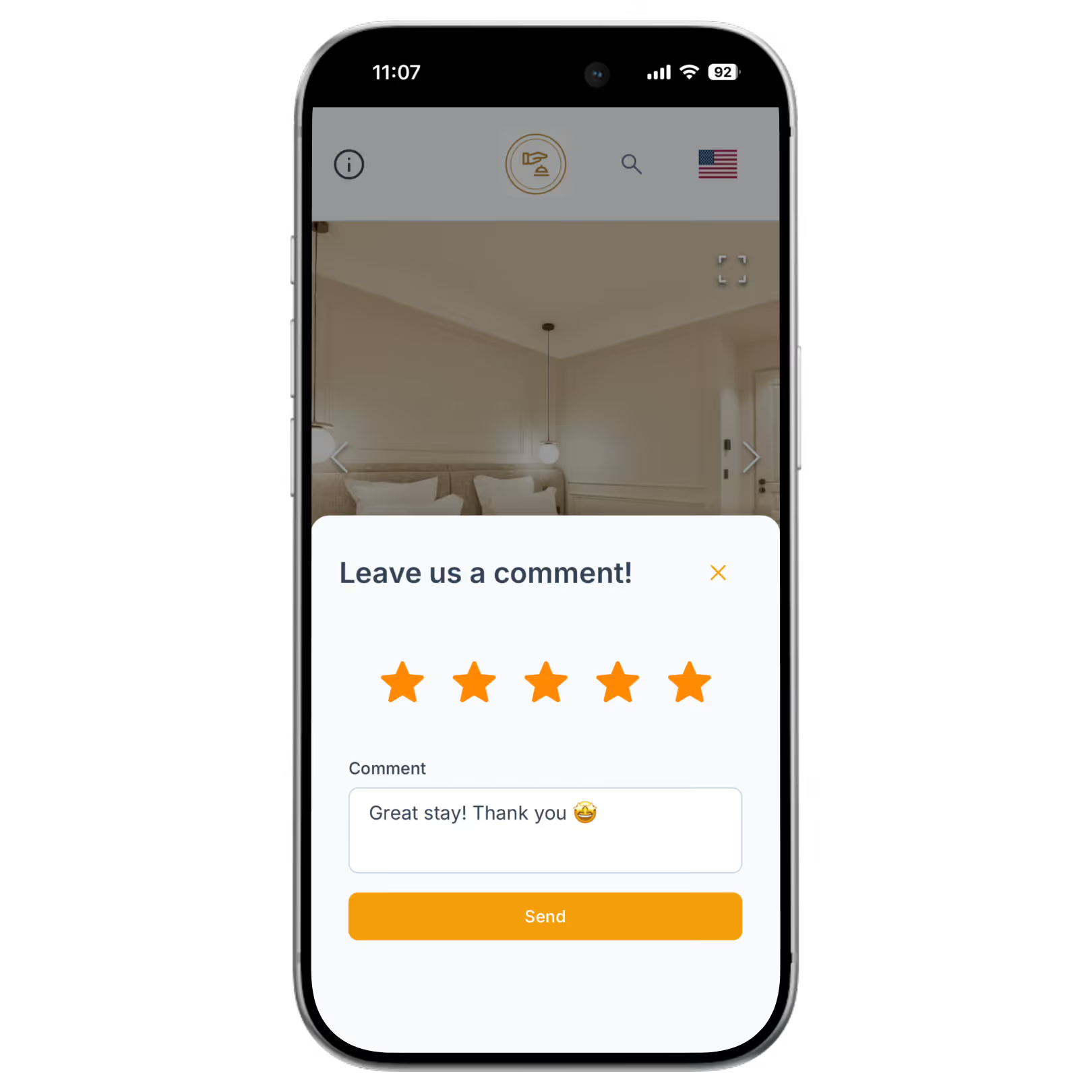
Digital services contribute directly to better online reviews. Clear communication, efficient processes, and a modern experience strengthen a hotel’s brand image and increase its visibility on booking platforms.
Smart Hotels in Practice: What Guests Actually Experience
To understand the impact more concretely, here are a few examples of what a guest might encounter in a modern connected hotel:
- They receive a message before arrival with directions, parking info, and a quick online check-in form.
- Upon arrival, they bypass the reception and access their room with a digital key.
- The room automatically adjusts to their preferred temperature.
- They browse local recommendations, order dinner, or book a taxi directly from their phone.
- Their questions are answered instantly by an AI assistant.
- They check out online a few minutes before leaving.
Instead of complexity, technology brings simplicity—and that’s the essence of the smart hotel experience.
Challenges Hotels May Face When Transitioning to Smart Technologies
Adopting a smart-hotel approach doesn’t happen overnight. Hotels often face:
- Integration issues between new tools and legacy systems
- Staff training needs to ensure effective adoption
- Concerns about guest privacy and data security
- Budget constraints when implementing large-scale technological upgrades
The most successful transformations begin with simple, high-impact tools that improve daily operations and directly enhance the guest experience.
Is Every Hotel Meant to Become a Smart Hotel?
Not every property needs fully automated doors, robots, or voice-controlled rooms. The essence of a smart hotel lies in the thoughtful use of technology to remove friction—not in adopting gadgets for the sake of innovation.
A boutique hotel, a vacation rental, and a large resort may all benefit from digital tools, but each at their own pace and scale. The goal is to reinforce—never replace—the human connection that defines hospitality.
FAQ: Common Questions About Smart Hotels
Are smart hotels fully automated?
No. Smart hotels use automation to simplify processes, but human service remains central.
Do guests need to download an app?
Most smart tools work through QR codes or web links, requiring no downloads.
Is smart technology expensive to implement?
Costs vary, but many solutions are modular and scalable, allowing hotels to start small and grow progressively.
Are smart hotels safe for guest data?
Modern platforms follow strict security standards and comply with regulations such as GDPR.
The Future of Hospitality Is Seamless
Smart hotels answer a growing demand for autonomy, clarity, and comfort. By blending technology with a human touch, they create an environment where guests feel informed, empowered, and warmly welcomed. For hoteliers, the shift brings efficiency, new revenue opportunities, and a more resilient operational model.
The transformation is already well underway—what once seemed futuristic is becoming the new everyday standard in hospitality.
Much more than a welcome guidebook
A web application accessible without download, via QR code or link, automatically translated into your guest’s language.
Frequently asked questions
Everything you need to know about Sunver.
What is Sunver?
Sunver is a solution that allows you to easily create your own digital welcome guidebook to simplify communication with your guests. It enhances the guest experience, saves you time every day, and helps you generate additional revenue. Setting up a guidebook is intuitive—similar to creating a Facebook profile.
How do I set up Sunver?
You can create your first guidebook directly from our website in just a few minutes and experience the simplicity of the solution for yourself. If you are a hospitality professional, our team also offers a full demo via video call, helping you with setup and customization.
How can I share my guidebook with guests?
There are two main ways to share your guidebook:
1. Send the link directly after booking or during the stay through your automated messages.Provide
2. QR code displays inside your accommodation so guests can scan and access the guidebook instantly.
You can also print your display for free from your Sunver dashboard or order physical QR code supports directly from our website.
Do my guests need to download anything?
No, your guests don’t need to download anything. Sunver runs as a web app, meaning it’s hosted online, loads quickly, and is instantly accessible. Thanks to automatic translation, the guidebook will open directly in the guest’s phone language.
Can I promote my additional services with Sunver?
Yes, absolutely. With the guidebook modules, you can create a true digital shop and showcase your services, products, or exclusive offers. By connecting your Stripe account, you can accept payments directly without any commission taken by Sunver. Guests can pay in just one click from their smartphone.
The digital welcome guide your guests deserve
Give your guests a seamless experience — all your information, services, and recommendations, right at their fingertips.