
What Is Glamping? A Complete Guide to Luxury Camping and the Business Opportunity Behind It
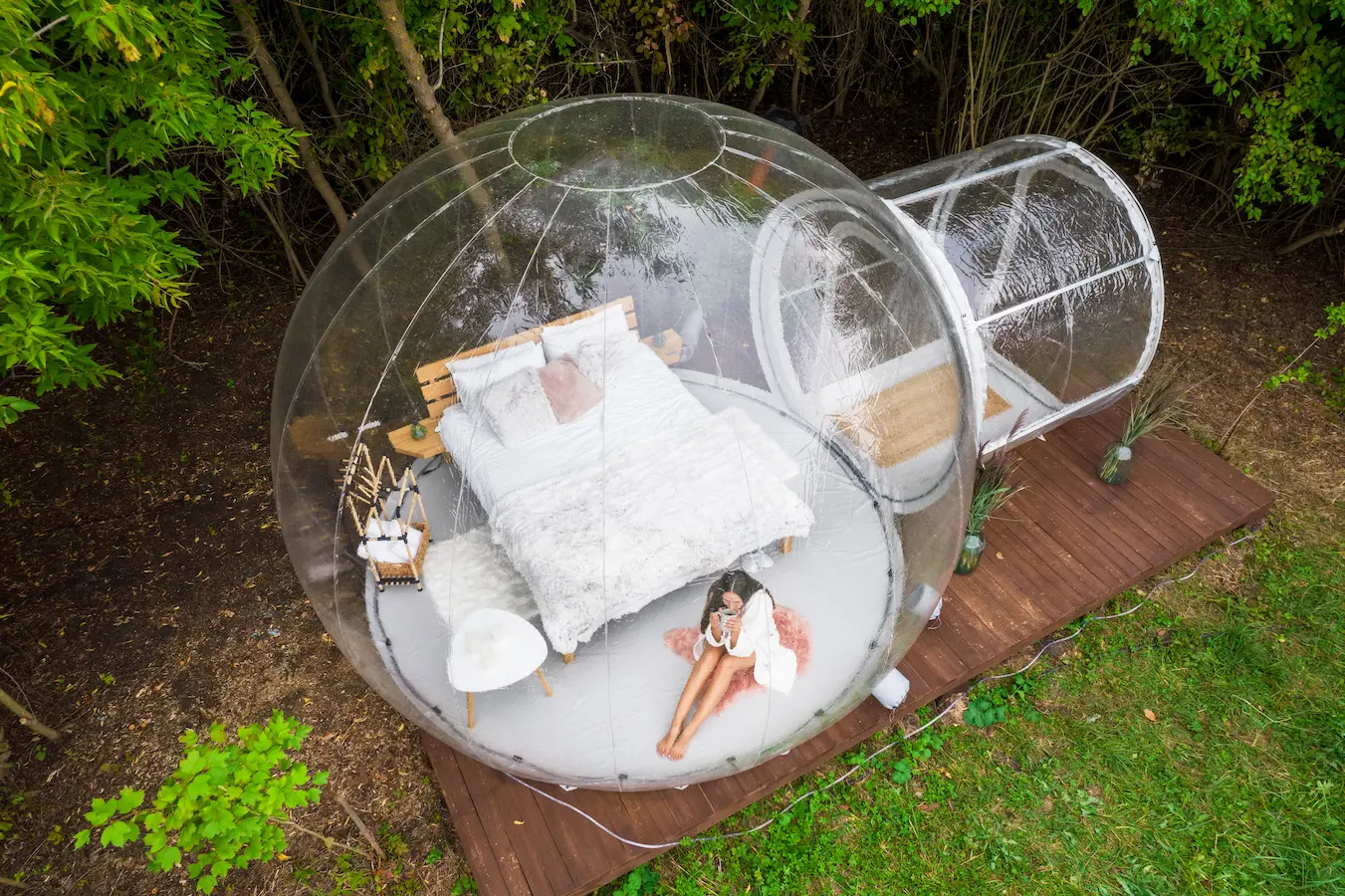
What Is Glamping?
Glamping is short for “glamorous camping”. It describes outdoor stays that combine the atmosphere of nature with the comfort people usually expect from a hotel, cabin, or boutique stay.
Instead of pitching a tent, sleeping on the ground, and relying on basic camp gear, guests check into a ready-made space designed for comfort. That might be a safari tent with a proper bed, a dome with panoramic views, a treehouse with a hot tub, or a yurt with heating and a private bathroom.
At its core, glamping appeals to people who want the feeling of being outdoors without giving up convenience. They still get the views, the fresh air, the slower pace, and the sense of escape, but with a much easier and more comfortable experience.
Why Glamping Has Become So Popular
Travel habits have changed. Many people are no longer looking only for a place to sleep. They want memorable stays, a stronger connection to nature, and something that feels different from a standard hotel room.
Glamping fits that shift perfectly.
It offers:
- Comfort without complexity
Guests do not need to buy camping gear, learn outdoor skills, or plan every detail. - A more distinctive travel experience
A dome in the mountains or a treehouse in the woods is often more memorable than a conventional room. - A wider audience than traditional camping
Glamping attracts couples, families, remote workers, and travelers who like nature but are not interested in roughing it. - A strong visual appeal
Many glamping stays are designed to be beautiful, photogenic, and easy to share online, which naturally supports word-of-mouth marketing.
In other words, glamping sits at the intersection of hospitality, outdoor travel, and experiential tourism.
Glamping vs. Camping: What’s the Real Difference?
The simplest difference is this: camping is usually self-sufficient; glamping is curated.
With traditional camping, guests often bring their own tent, bedding, cooking gear, and supplies. Comfort depends heavily on what they pack and how prepared they are.
With glamping, most of that work disappears. The accommodation is already in place, and it often includes amenities such as:
Typical camping
- Basic tent or camper setup
- Bring-your-own equipment
- Shared or limited bathroom access
- Simple cooking arrangements
- Minimal insulation or climate control
Typical glamping
- Fully prepared accommodation
- Real bed and quality linens
- Decor, furniture, and lighting
- Private or upgraded bathrooms
- Heating, cooling, or insulation
- Extra services or premium touches
That does not mean glamping is “better” than camping for everyone. Camping appeals to travelers who enjoy simplicity, adventure, and self-reliance. Glamping appeals to those who want nature with comfort built in.
A Brief Look at the History of Glamping
While the word itself is relatively modern, the idea behind glamping is much older. Luxurious tented accommodation has existed in different forms for centuries, especially among royalty, military leaders, and wealthy travelers.
What changed in recent years is accessibility. Luxury outdoor stays are no longer reserved for elite expeditions or high-end safari tourism. Today, they are part of mainstream travel. Small independent hosts, landowners, farm stays, boutique hospitality brands, and outdoor resorts have all embraced the concept.
That wider adoption has helped turn glamping from a niche idea into a serious hospitality category.
Types of Glamping Accommodation
One of the biggest strengths of glamping is its flexibility. The format can be adapted to many landscapes, budgets, and guest expectations.
Safari tents
A classic glamping option. Safari tents often combine canvas exteriors with proper flooring, full beds, seating areas, and sometimes en-suite bathrooms. They feel adventurous without being uncomfortable.
Yurts
Originally linked to nomadic traditions, yurts are circular structures that feel warm, cozy, and surprisingly spacious. They work particularly well in rural, mountain, or woodland settings.
Domes
Domes are popular for their striking design and immersive views. They are often used in destinations where scenery is a major selling point, such as deserts, forests, or snowy landscapes.
Cabins and lodges
For travelers who want a more familiar format, cabins offer the comfort of a small home while keeping the natural setting front and center.
Treehouses
Treehouses have strong emotional appeal. They feel playful, exclusive, and memorable, which makes them especially attractive for couples and special-occasion stays.
Vintage trailers and Airstreams
These bring personality and nostalgia to the guest experience. They can work especially well for destinations with a creative, retro, or road-trip identity.
Tiny houses and pods
Compact, efficient, and often stylish, these suit guests who want comfort and smart design in a small footprint.
The best option depends on the location, climate, budget, and audience you want to attract.
Why Glamping Is a Strong Business Opportunity
For hospitality operators, glamping can be a compelling model because it combines strong guest appeal with a relatively flexible concept.
Here is why it stands out.
1. It answers real market demand
Many travelers want nature-based stays that still feel easy and comfortable. Glamping fills that gap better than traditional camping and often more memorably than a standard hotel.
2. It can justify premium pricing
People are often willing to pay more for a stay that feels unique, scenic, and experience-led. Design, privacy, and atmosphere matter as much as square footage.
3. It works across many property types
Glamping can be built around farmland, vineyards, forests, lakesides, deserts, mountains, or private estates. It does not require an urban location to be attractive.
4. It creates room for add-on revenue
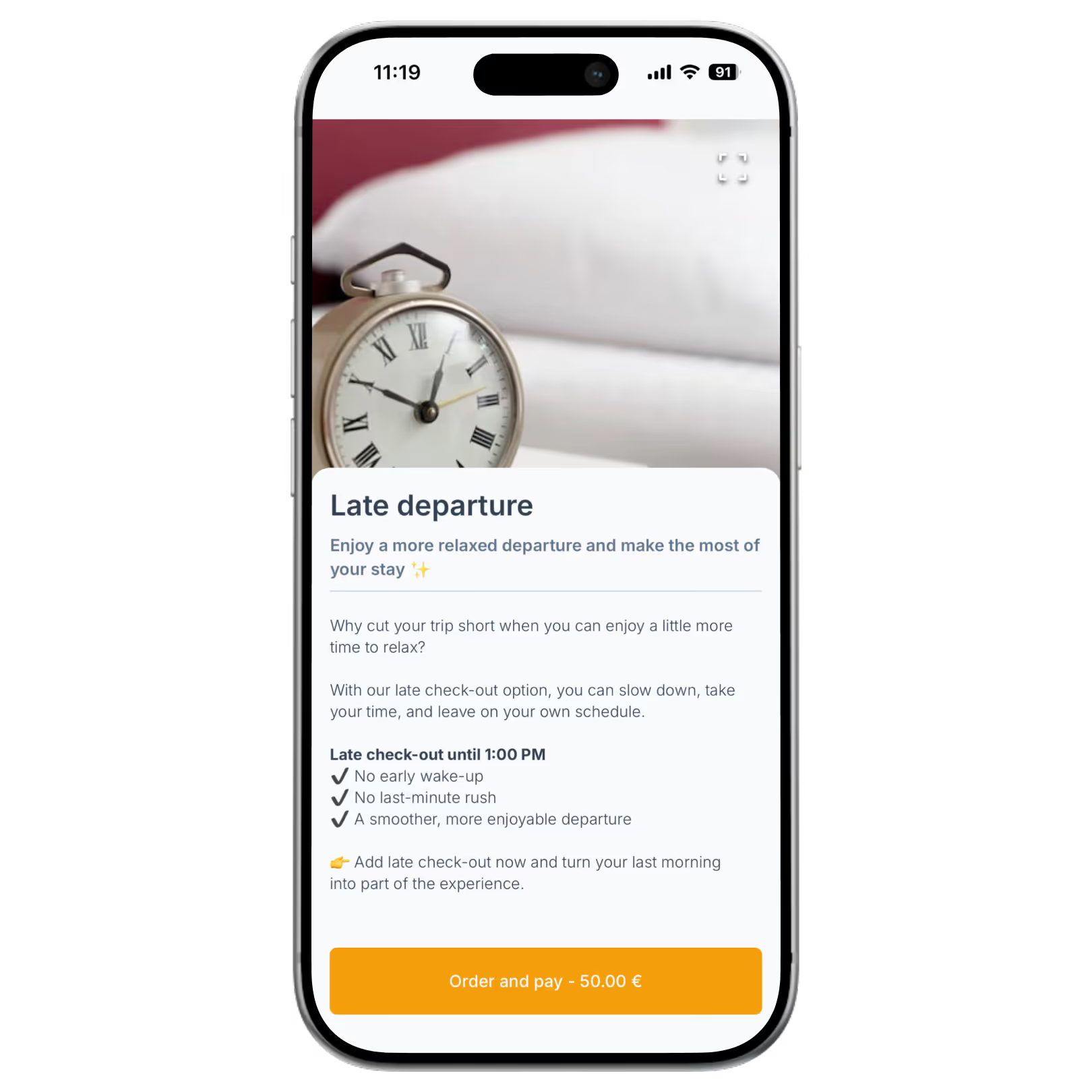
A glamping stay can be expanded with extras such as breakfast baskets, firewood packs, hot tub access, guided activities, bike rentals, wellness services, or late check-out.
5. It supports a strong brand story
Glamping businesses tend to market well because they are easy to position: romantic retreat, family escape, eco-stay, wellness break, digital detox, or luxury nature getaway.
How to Start a Glamping Business
Starting a glamping business is not only about placing beautiful tents on a piece of land. The strongest projects are built around guest experience, operations, and local fit.
Choose the right location
Scenery matters, but practicality matters too. A good glamping site needs to be appealing, accessible, and suitable for the kind of stay you want to offer.
Look at:
- proximity to attractions
- road access and parking
- climate and seasonality
- privacy and noise levels
- utility access and site constraints
Define your target guest
Not every glamping concept is for everyone.
A romantic couples’ retreat will not look the same as a family-focused site or a premium eco-resort. The audience influences your accommodation style, your amenities, your pricing, and even your marketing photography.
Build around comfort
The difference between “interesting” and “bookable” often comes down to comfort.
Guests usually expect:
- a proper mattress
- quality bedding
- clean bathrooms
- reliable lighting
- climate comfort
- easy check-in
- clear information before arrival
Nature may be the reason they book, but comfort is often the reason they leave happy reviews.
Think beyond the unit itself
Great glamping is about the full experience, not just the structure.
Simple touches can make a big difference:
- outdoor seating with a view
- a fire pit or wood stove
- thoughtful welcome items
- local recommendations
- breakfast or picnic options
- a well-designed guest guide
Plan operations from day one
A beautiful site can still fail if operations are messy. Before launching, think through cleaning, maintenance, guest messaging, safety, check-in, staffing, and booking management.
The smoother the experience feels to the guest, the stronger your reputation will be.
What Makes a Great Glamping Experience?
The best glamping stays tend to get the basics right and then add personality.
A great experience usually includes three things:
Comfort
Guests want to feel relaxed, sheltered, and well looked after.
Setting
The location should feel intentional. Views, privacy, atmosphere, and connection to the landscape matter.
Small memorable details
A handwritten note, local coffee, a beautifully styled interior, or a guide to nearby hikes can make the stay feel personal rather than generic.
That is often what separates a one-night novelty from a place guests recommend to others.
Practical Tips for Guests Trying Glamping for the First Time
If you are planning your first glamping trip, a few simple habits make the experience better.
Check what is actually included
Not every glamping stay offers the same level of comfort. Some include full bathrooms and kitchens, while others are more minimalist.
Dress for the environment
Even luxury outdoor stays are still outdoors. Bring layers, practical shoes, and weather-appropriate clothing.
Don’t overpack
Most glamping accommodations already include the essentials. A flashlight, toiletries, water bottle, and comfortable clothing are usually enough.
Embrace the setting
Glamping works best when you lean into the experience. Slow down, spend time outside, and enjoy the change of pace.
FAQ
Is glamping more expensive than camping?
Usually yes, because the accommodation is pre-set and includes more comfort, design, and amenities. But it is often more accessible than a luxury hotel in a similar natural setting.
Is glamping eco-friendly?
It can be, but it depends on the operator. Low-impact design, careful land use, renewable energy, and responsible waste management all make a difference.
Who is glamping best for?
Glamping is ideal for travelers who want nature without the inconvenience of traditional camping. It is especially popular with couples, families, and first-time outdoor travelers.
What is the best type of glamping accommodation?
There is no single best format. Safari tents, domes, yurts, cabins, and treehouses can all work well when they match the location and the guest expectations.
Final Thoughts
Glamping is more than a travel trend. It reflects a broader shift in what people want from a stay: comfort, character, and a stronger connection to place.
For travelers, it offers a gentler and more stylish way to enjoy the outdoors. For hospitality operators, it opens the door to a flexible and highly marketable business model with real potential.
Done well, glamping delivers something many modern stays struggle to offer: a genuine sense of escape, without asking guests to compromise on comfort.
Much more than a welcome guidebook
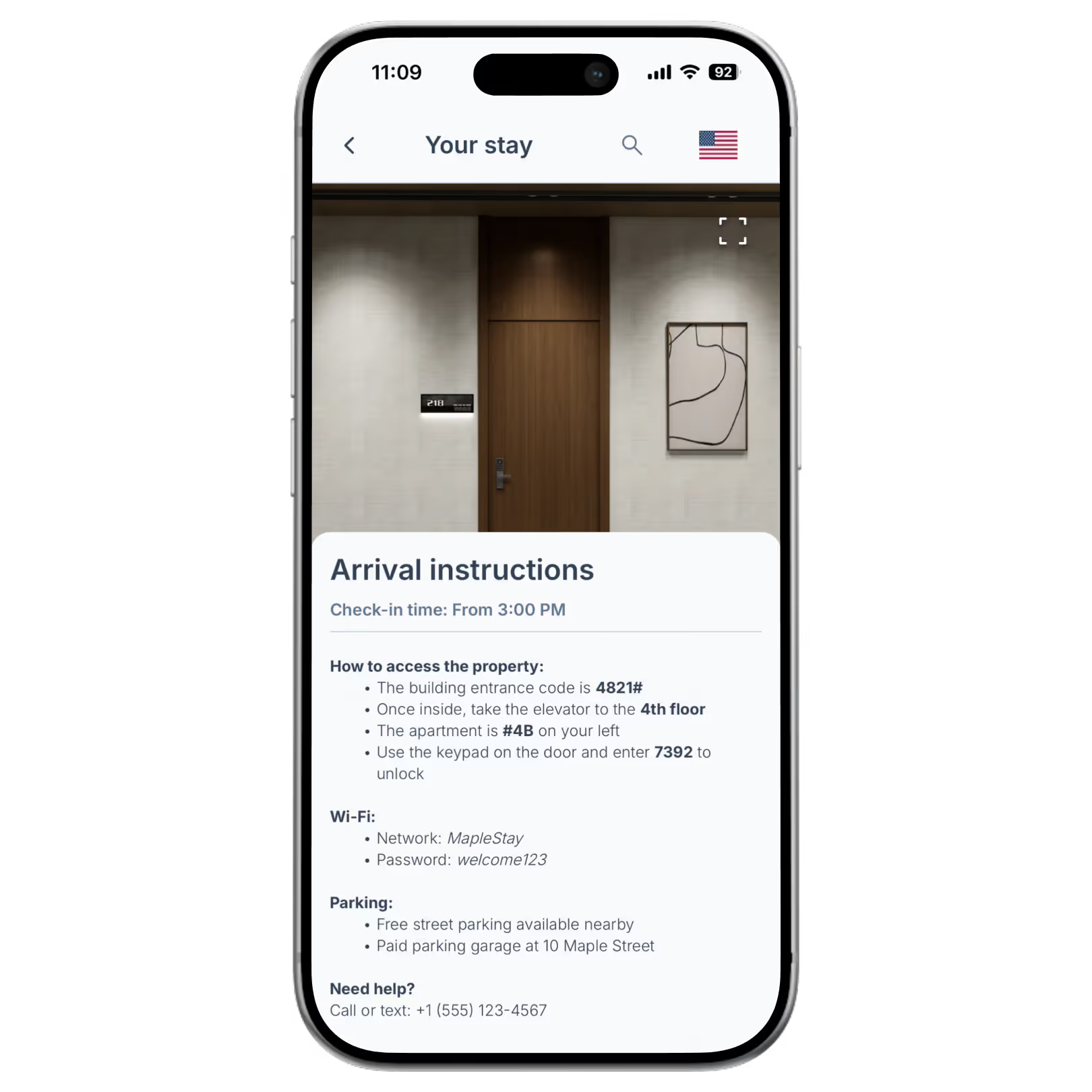
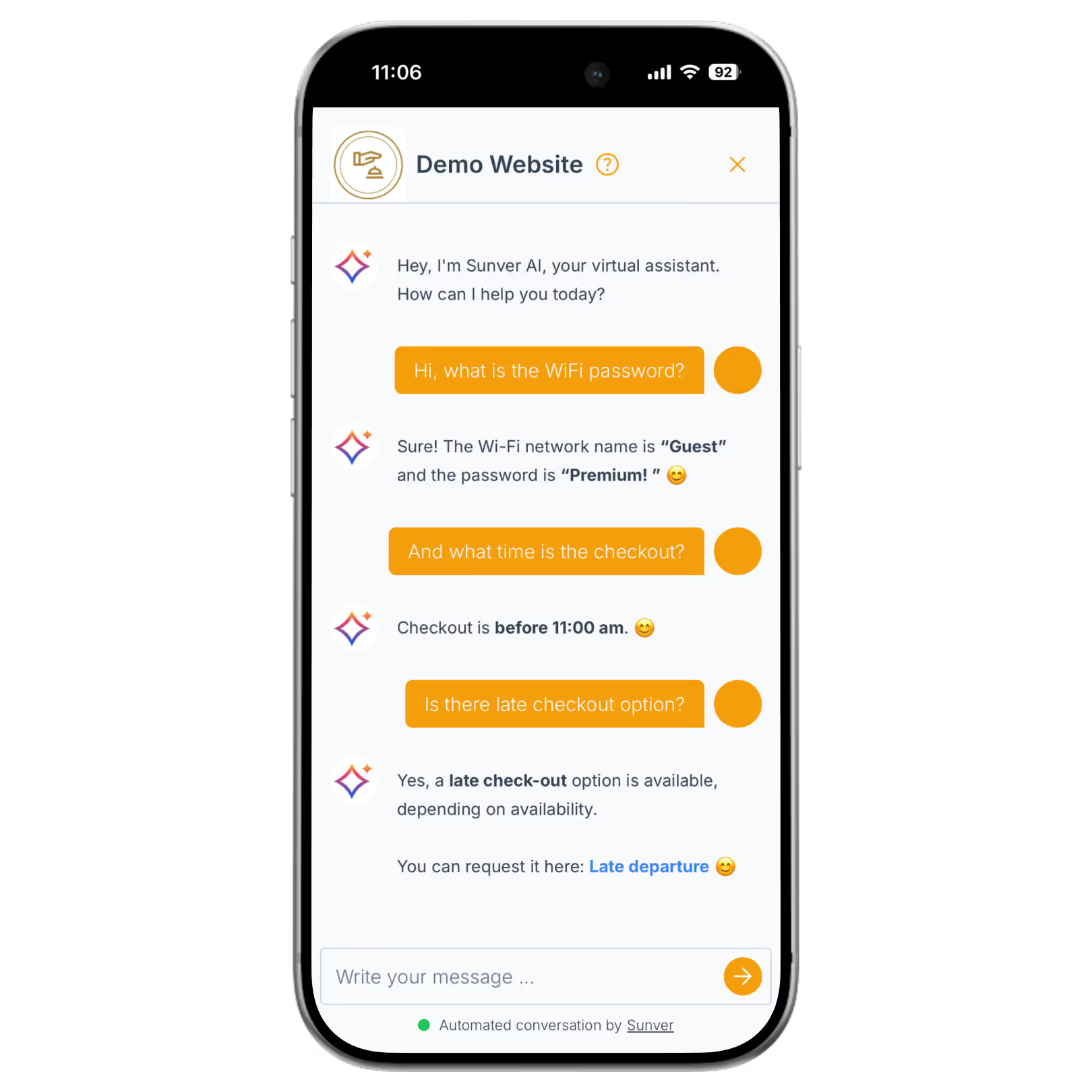
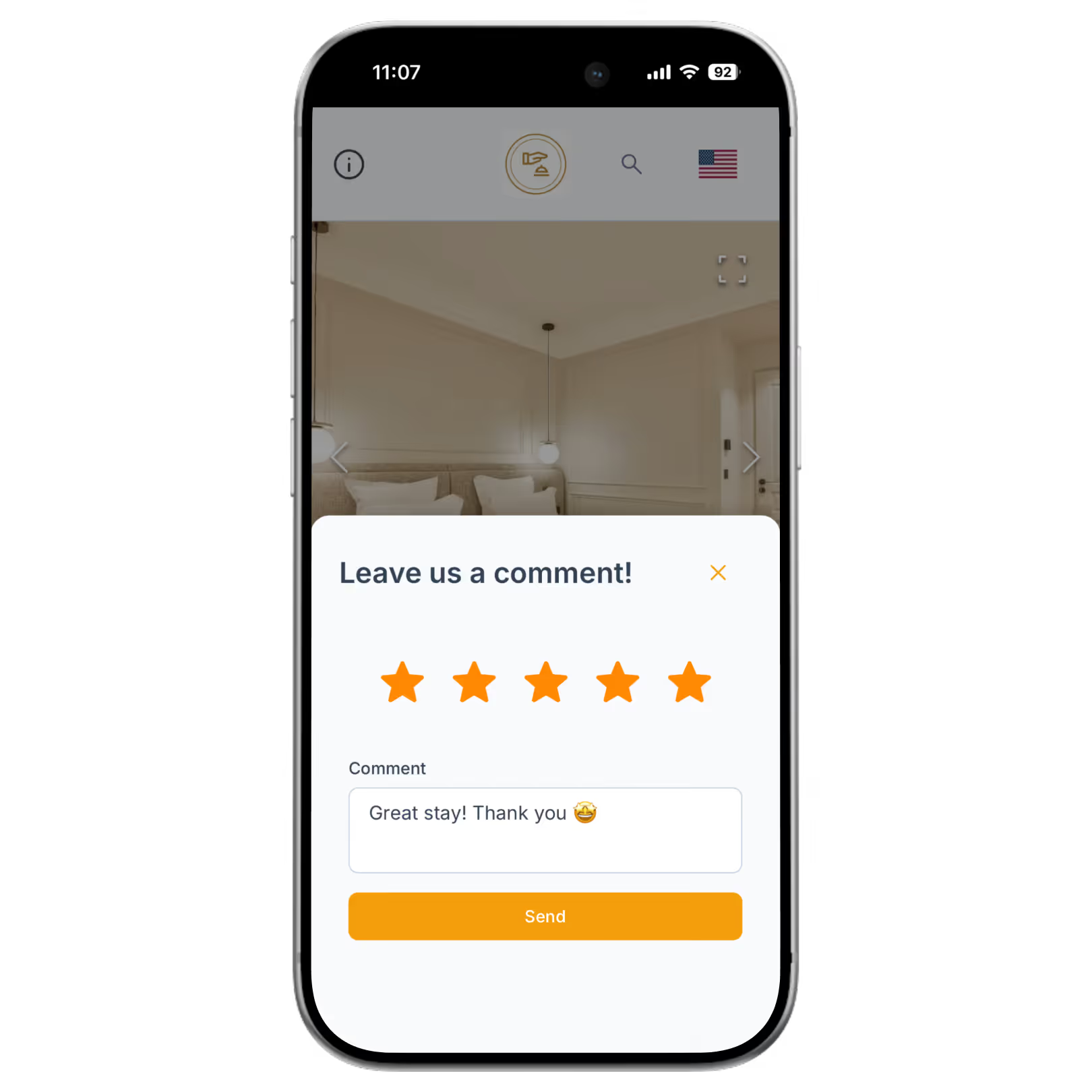
A web application accessible without download, via QR code or link, automatically translated into your guest’s language.
Frequently asked questions
Everything you need to know about Sunver.
What is Sunver?
Sunver is a solution that allows you to easily create your own digital welcome guidebook to simplify communication with your guests. It enhances the guest experience, saves you time every day, and helps you generate additional revenue. Setting up a guidebook is intuitive—similar to creating a Facebook profile.
How do I set up Sunver?
You can create your first guidebook directly from our website in just a few minutes and experience the simplicity of the solution for yourself. If you are a hospitality professional, our team also offers a full demo via video call, helping you with setup and customization.
How can I share my guidebook with guests?
There are two main ways to share your guidebook:
1. Send the link directly after booking or during the stay through your automated messages.Provide
2. QR code displays inside your accommodation so guests can scan and access the guidebook instantly.
You can also print your display for free from your Sunver dashboard or order physical QR code supports directly from our website.
Do my guests need to download anything?
No, your guests don’t need to download anything. Sunver runs as a web app, meaning it’s hosted online, loads quickly, and is instantly accessible. Thanks to automatic translation, the guidebook will open directly in the guest’s phone language.
Can I promote my additional services with Sunver?
Yes, absolutely. With the guidebook modules, you can create a true digital shop and showcase your services, products, or exclusive offers. By connecting your Stripe account, you can accept payments directly without any commission taken by Sunver. Guests can pay in just one click from their smartphone.
The digital welcome guide your guests deserve
Give your guests a seamless experience — all your information, services, and recommendations, right at their fingertips.