
Hotel Reservation Tips: How to Book the Right Room at the Right Price

Every year, millions of travelers overpay for hotel rooms they could have booked cheaper — or end up disappointed by a property that looked nothing like its photos. The good news: a few smart habits can change that completely. Whether you're planning a weekend city break or a two-week trip across multiple destinations, these hotel reservation tips will help you book with confidence.
1. Time your booking strategically
There's no single "best" day to book a hotel — but timing absolutely matters. For most leisure destinations, booking six to eight weeks in advance hits the sweet spot between availability and competitive pricing. Book too early and rates may drop later; wait too long and you risk paying a premium or losing your preferred room type entirely.
Last-minute deals do exist, particularly for flexible travelers or business destinations with lower leisure demand on weekends. But they're unpredictable. If you have a fixed travel window, don't gamble on it.
One often-overlooked factor: day of the week at the destination, not just your arrival date. A hotel in a business district may be cheaper on weekends; a resort town may spike on Fridays and Saturdays. Check a few different combinations before committing.
2. Book direct — more often than you think
Online travel agencies (OTAs) like Booking.com or Expedia offer convenience and comparison, but direct booking through the hotel's own website has its own advantages. Many properties match or beat OTA prices for guests who contact them directly, and some offer exclusive perks: free breakfast, early check-in, room upgrades, or flexible cancellation that third-party platforms won't always include.
This is especially true for independent hotels and boutique properties, where the front desk team has genuine flexibility. Even if you find a property on an OTA first, it's worth visiting the hotel's website directly before confirming.
That said, OTAs can be genuinely useful for comparing multiple options in one search — particularly if you're open-minded about which property to choose.
3. Read reviews with a critical eye
Guest reviews are invaluable, but they require a bit of interpretation. Don't fixate on a single negative review or a string of five-star ratings from the same week. Instead, look for patterns across time: recurring complaints about noise, slow Wi-Fi, or billing issues are more reliable signals than isolated incidents.
Pay attention to how the hotel responds to negative feedback. A thoughtful, professional reply to a critical review often reveals more about the management culture than the complaint itself.
Platforms like Google, TripAdvisor, and Booking.com each attract slightly different traveler profiles, so reading across sources gives a more balanced picture.
4. Think carefully about location — and what it actually costs you
A lower room rate across town can quickly become more expensive when you factor in taxis, metro passes, or the time spent commuting to where you actually want to be. Before filtering by price alone, map out your key activities and choose a base that minimizes daily friction.
For city trips, proximity to a metro line often matters more than proximity to a single attraction. For resort destinations, the difference between being on the beach and being a 15-minute walk away can fundamentally change your experience.
5. Choose the right room type from the start
Vague descriptions like "standard double" or "superior room" can mean very different things depending on the property. Always check the actual floor plan or room dimensions if available, and don't assume a "city view" means an appealing one.
If you're traveling with children, verify occupancy limits carefully — some hotels charge extra for a third occupant regardless of age. Traveling with a partner and hoping for two separate beds? Specify explicitly rather than requesting a "double room."
Special configurations (accessible rooms, connecting rooms for families, rooms away from the elevator) are worth requesting at the time of booking rather than at check-in, when options are limited.
6. Don't overlook what's included — or what isn't
Hotel pricing can be deceptive. A rate that appears competitive may exclude resort fees (common in the US), parking, Wi-Fi, or breakfast. These can easily add €20–€50 per night to what you thought you were paying.
Read the rate description carefully and factor in everything before comparing options. A slightly pricier rate with breakfast included is often better value than a cheaper one where you'll pay €18 per person at the hotel café each morning.
7. Submit special requests in advance
Most hotels genuinely try to accommodate requests — but only if they know about them before your arrival. A high-floor room, a quiet side away from street noise, a hypoallergenic pillow: these are easy to arrange when the hotel has days or weeks' notice, and nearly impossible to guarantee when you mention them at check-in.
Keep requests specific and realistic. "A room with natural light" is easier to act on than "the best room in the hotel." And always confirm your request has been noted rather than just submitting it through an automated field.
8. Understand cancellation policies before you click "confirm"
Cancellation policies have become more varied and more complex. The most common options are:
- Free cancellation up to a set deadline (typically 24–48 hours before arrival)
- Non-refundable rates, which are cheaper upfront but carry full financial risk
- Partial refund structures, where cancelling early returns a percentage of the total
If there's any chance your plans might change, the extra cost of a flexible rate is usually worth it. And always check whether your travel insurance covers non-refundable hotel bookings — many policies do, under specific conditions.
9. Confirm your arrival details in advance
A simple email or call to the hotel a few days before arrival can prevent a surprising number of problems. Confirm your check-in time, ask about parking or luggage storage if you're arriving early, and double-check that any special requests are on file. It also gives you a chance to flag any issues with the reservation before you're standing at the front desk after a long journey.
10. Use loyalty programs — even as an occasional traveler
Hotel loyalty programs are often associated with frequent business travelers, but occasional guests can benefit too. Most major programs are free to join and offer meaningful perks from the first stay: late check-out, complimentary upgrades when available, or bonus points that accumulate faster than you'd expect.
Even if you don't stay at the same chain regularly, choosing one program and routing your stays through it builds credit over time. Some programs also offer status matches or fast-track tiers for new members.
A few things worth remembering
The best hotel booking strategy is rarely the most complicated one. It comes down to timing, attention to detail, and a willingness to read the fine print before committing. The travelers who consistently get the best experiences aren't necessarily the ones with the most points or the biggest budgets — they're the ones who ask the right questions and book intentionally.
FAQs
When is the best time to book a hotel? For most trips, six to eight weeks in advance offers the best balance of availability and pricing. Last-minute deals exist but are unpredictable.
Is it better to book direct or through an OTA? Direct booking often comes with added benefits (flexibility, perks, potential rate matches). OTAs are useful for comparing options when you haven't decided on a property yet.
How can I avoid hidden fees? Read the full rate description carefully before booking. Resort fees, parking charges, and breakfast exclusions are the most common sources of unexpected costs.
What should I always request in advance? Room location (floor, quiet side), accessibility needs, bed configuration, and any dietary requirements for included meals.
Much more than a welcome guidebook
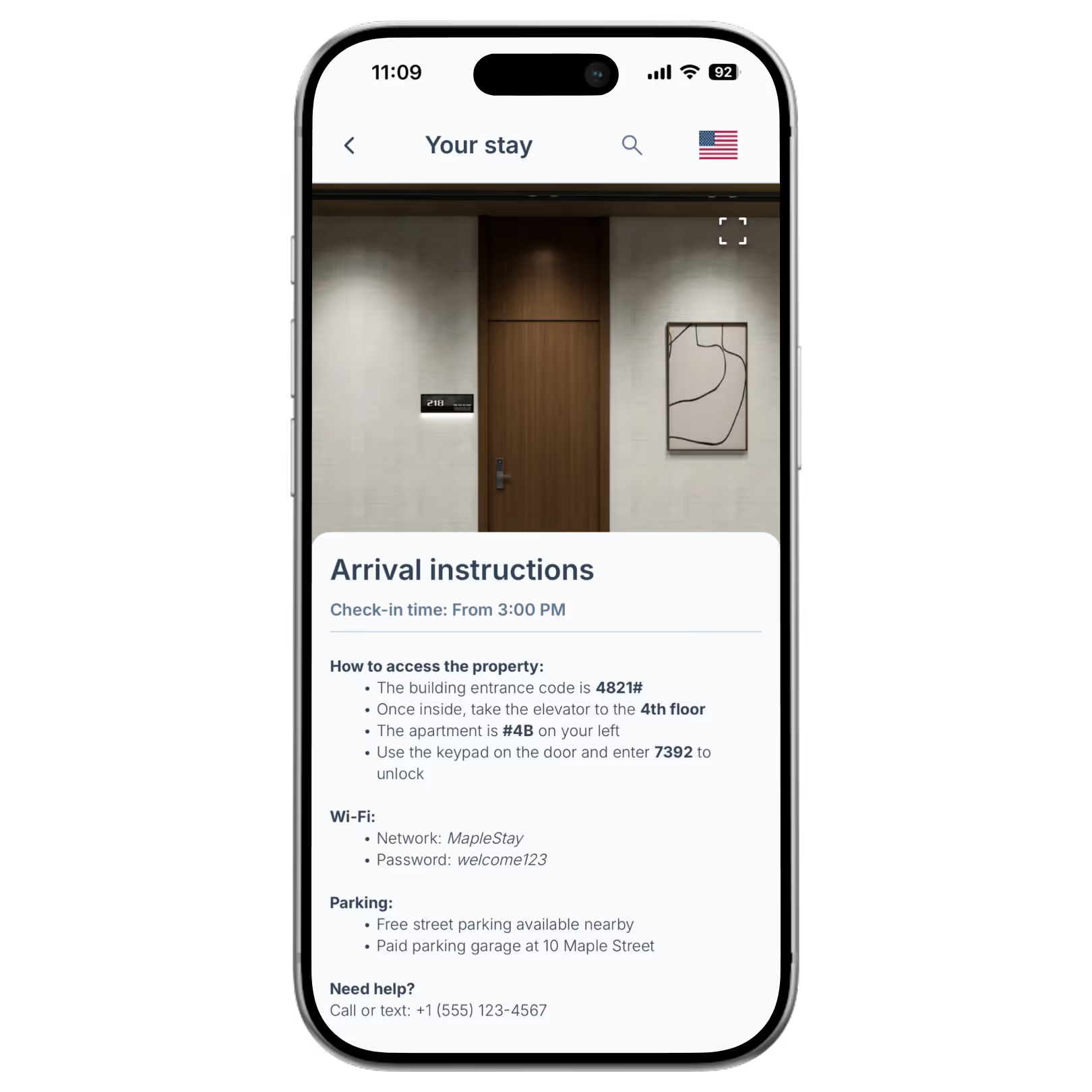
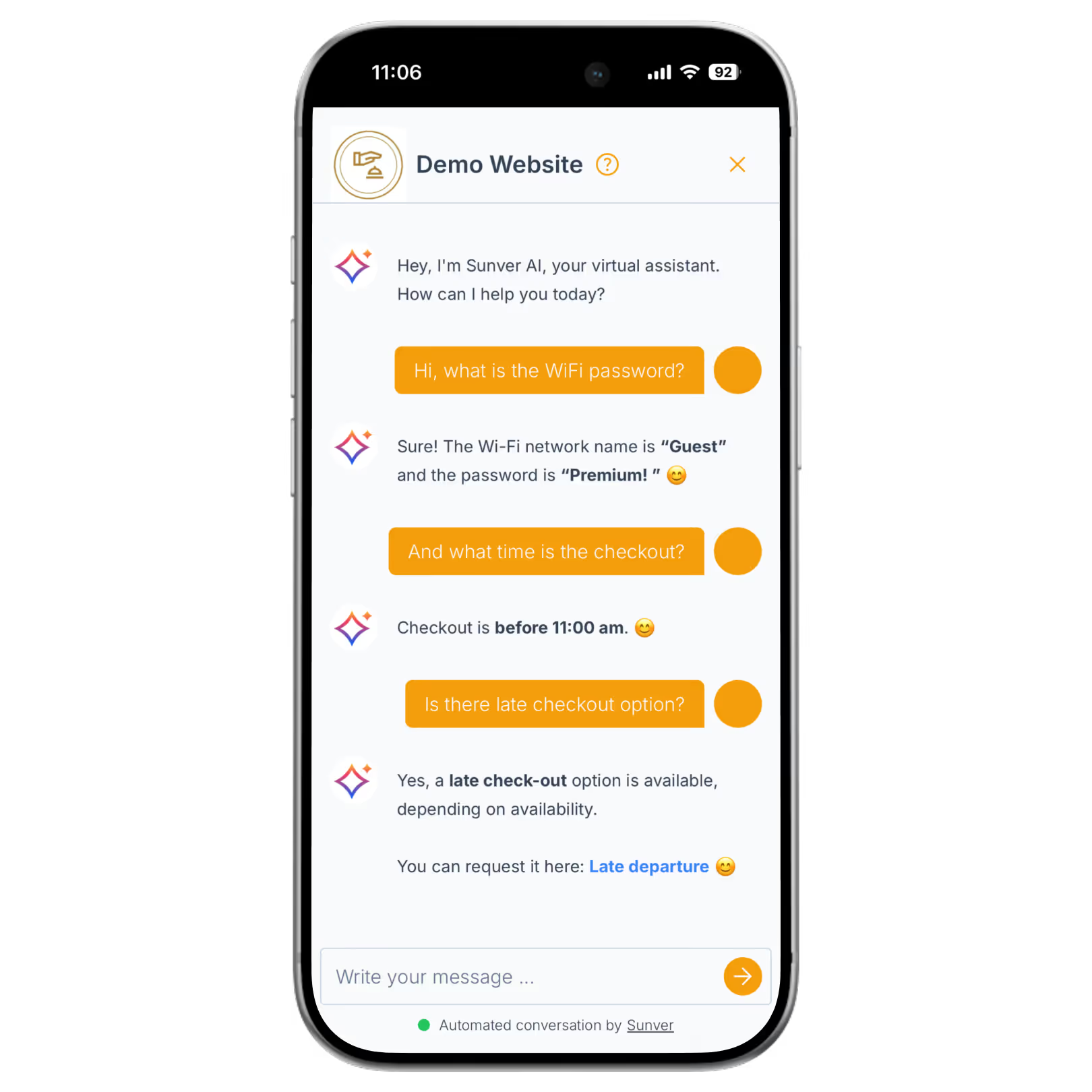
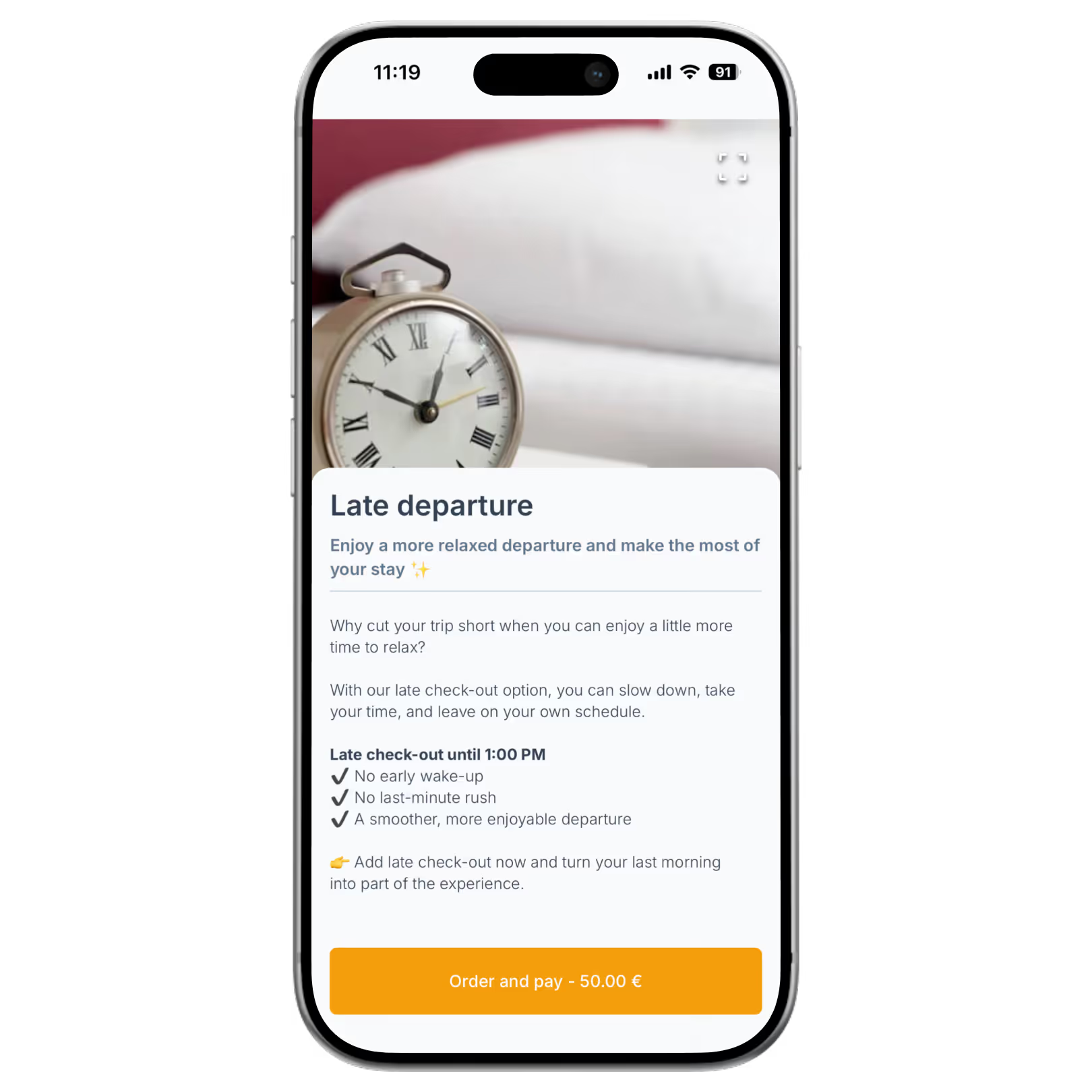
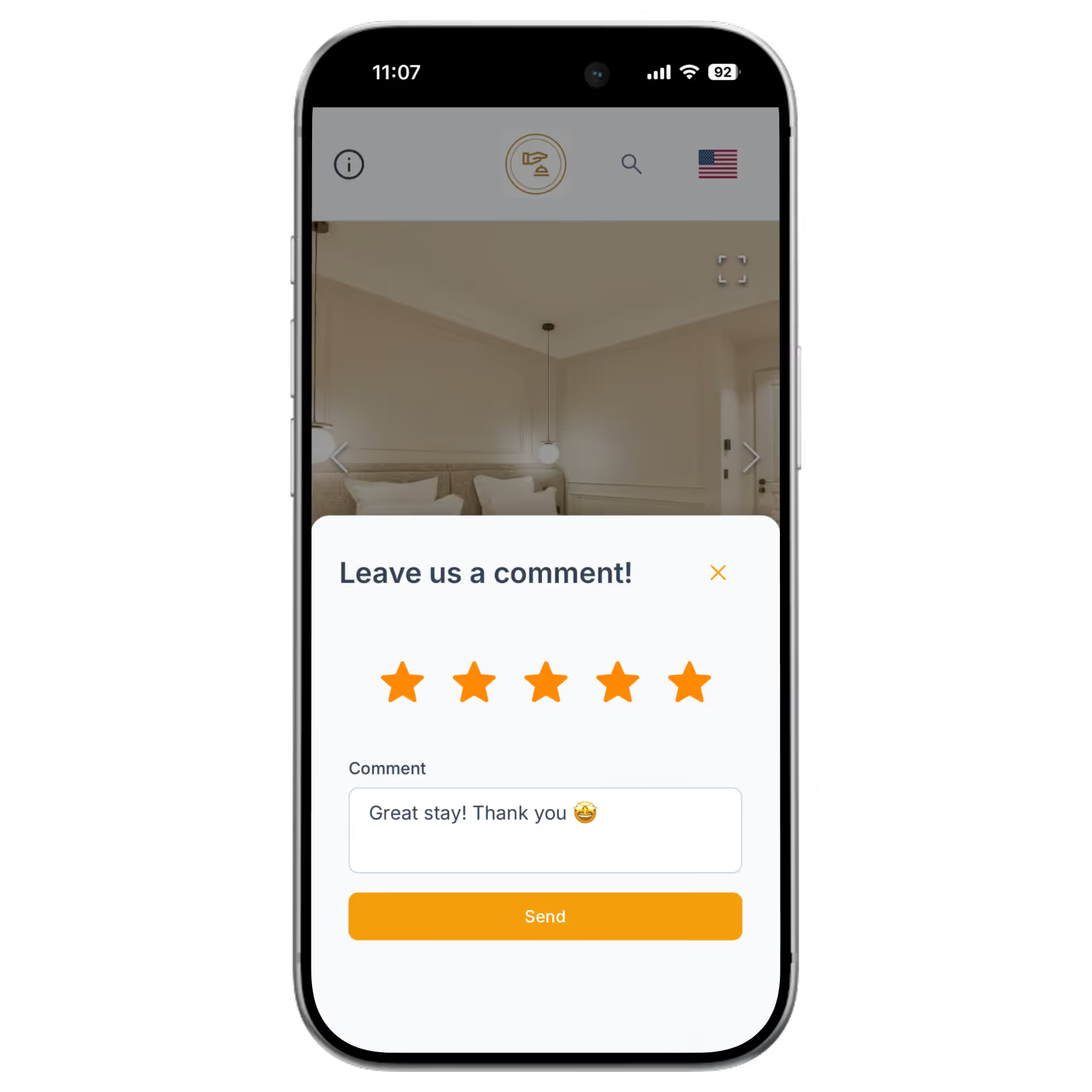
A web application accessible without download, via QR code or link, automatically translated into your guest’s language.
Frequently asked questions
Everything you need to know about Sunver.
What is Sunver?
Sunver is a solution that allows you to easily create your own digital welcome guidebook to simplify communication with your guests. It enhances the guest experience, saves you time every day, and helps you generate additional revenue. Setting up a guidebook is intuitive—similar to creating a Facebook profile.
How do I set up Sunver?
You can create your first guidebook directly from our website in just a few minutes and experience the simplicity of the solution for yourself. If you are a hospitality professional, our team also offers a full demo via video call, helping you with setup and customization.
How can I share my guidebook with guests?
There are two main ways to share your guidebook:
1. Send the link directly after booking or during the stay through your automated messages.Provide
2. QR code displays inside your accommodation so guests can scan and access the guidebook instantly.
You can also print your display for free from your Sunver dashboard or order physical QR code supports directly from our website.
Do my guests need to download anything?
No, your guests don’t need to download anything. Sunver runs as a web app, meaning it’s hosted online, loads quickly, and is instantly accessible. Thanks to automatic translation, the guidebook will open directly in the guest’s phone language.
Can I promote my additional services with Sunver?
Yes, absolutely. With the guidebook modules, you can create a true digital shop and showcase your services, products, or exclusive offers. By connecting your Stripe account, you can accept payments directly without any commission taken by Sunver. Guests can pay in just one click from their smartphone.
The digital welcome guide your guests deserve
Give your guests a seamless experience — all your information, services, and recommendations, right at their fingertips.