
Why travelers prefer to search for information on their own rather than ask hotel staff
.webp)
Today, a majority of travelers prefer to look for information on their own rather than contact the front desk. This behavior is neither a lack of trust nor a disinterest in human interaction: it is a natural evolution of usage.
Here are the main reasons behind this change, and what hotels can turn into an opportunity.
Travelers want quick answers
After a trip, a meeting, or a day of sightseeing, guests look for immediate answers.
Searching on their own allows them to:
- Get information in seconds
- Avoid waiting
- Stay independent
Calling or going down to the front desk takes more time than checking a phone.
Many guests hesitate to disturb staff
Especially:
- Late at night
- Early in the morning
- When the front desk is busy
Guests often fear disturbing staff for a “small question.”
Searching on their own feels more discreet and comfortable.
Digital habits have changed
For local recommendations in particular, travelers now instinctively search on their own to:
- Book
- Compare
- Read reviews
- Find their way
If the hotel does not present these clearly, guests turn to Google, and the property loses revenue linked to its partnerships.
Guests want to remain autonomous
Autonomy has become a comfort criterion.
Being able to:
- Understand without asking
- Decide without waiting
- Organize their stay freely
Gives guests a sense of control and peace of mind.
Fear of asking a “wrong question”
Some guests hesitate to ask:
- Due to shyness
- Language barriers
- Fear of seeming demanding
Hotel teams are not always available
Even with the best intentions:
- Front desk peak times
- Reduced staffing
- Night hours
As a result, additional sales opportunities are missed and the full value of the stay is not leveraged.
Travelers trust written information more
Schedules, rules, services, recommendations…
When information is written and accessible:
- It is clearer
- Less prone to error
- Can be consulted as many times as needed
Searching alone avoids frustration
Misunderstood or forgotten information leads guests to ask again.
Searching independently allows them to:
- Re-read
- Verify
- Compare
What this means for hotels
This is not about removing human interaction, but rather making it more valuable and frictionless.
When information is:
- Clear
- Centralized
- Available 24/7
Then:
- Guests feel more reassured
- Teams are less disrupted
- The overall experience improves
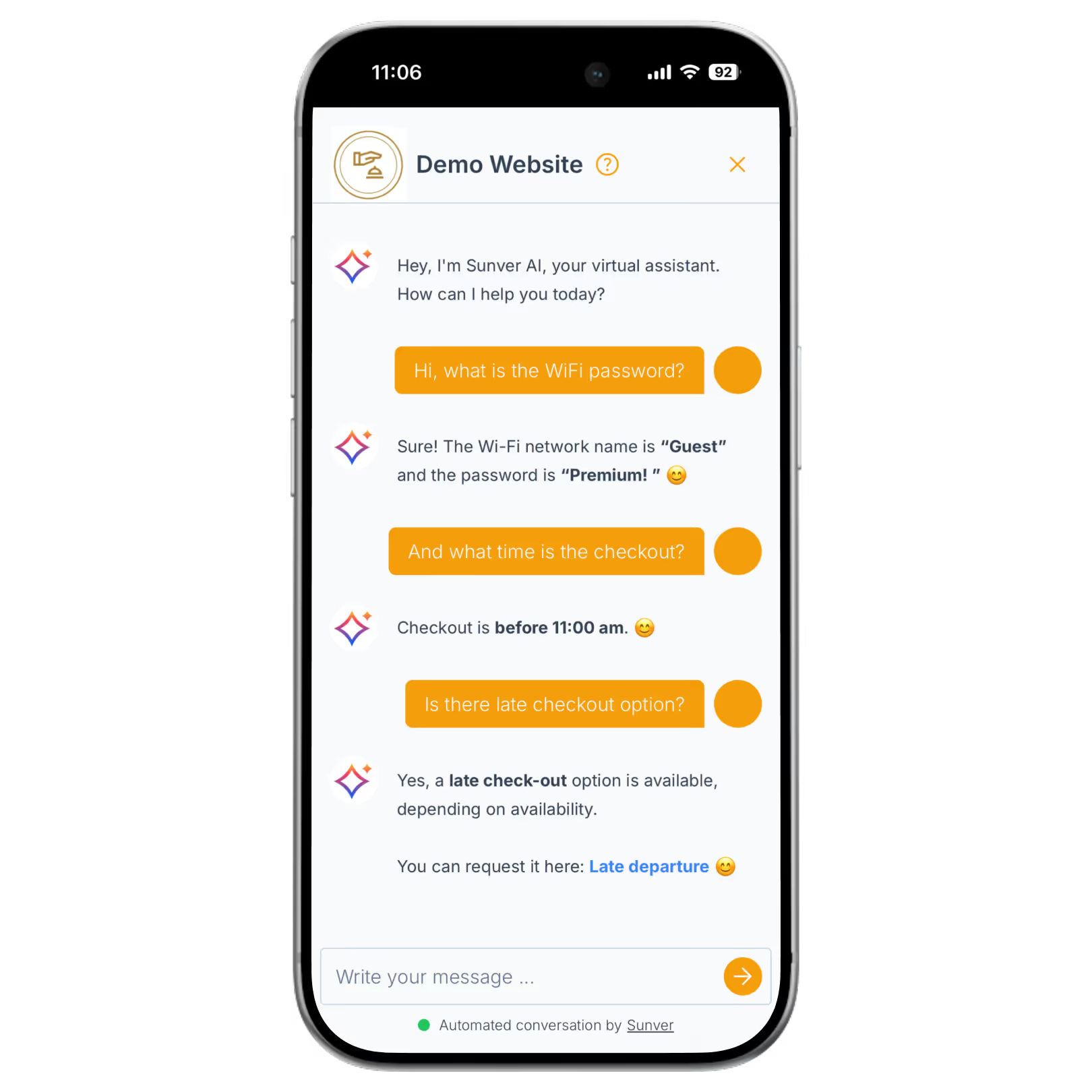
A digital welcome guide, combined with an AI chat, meets this need for autonomy while allowing hotel teams to focus on welcoming guests and delivering high-value service.
In conclusion
If travelers prefer to search on their own, it is because:
- It is faster
- More discreet
- More reassuring
- Better aligned with their habits
Providing access to information does not remove the human element.
It enhances it.
Much more than a welcome guidebook
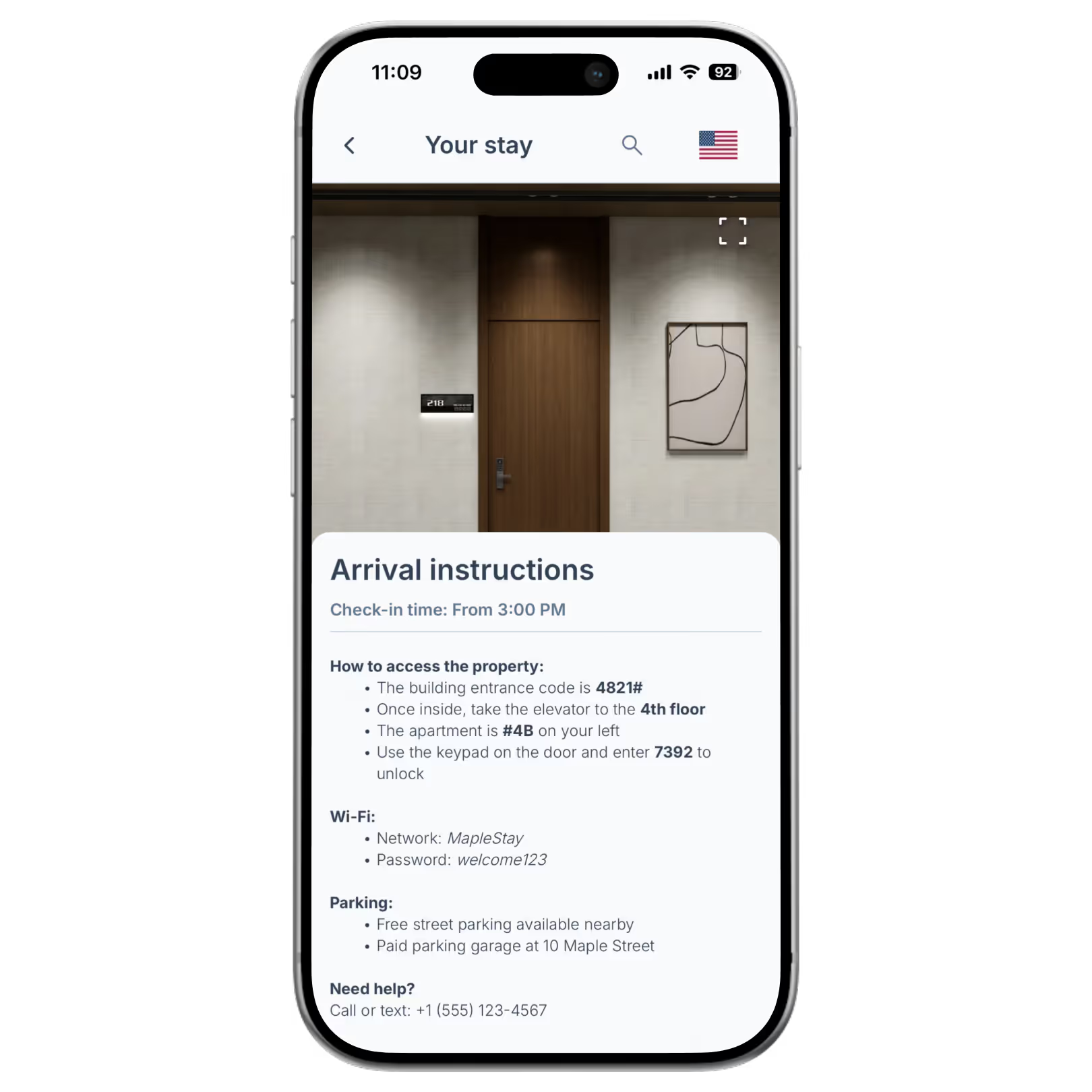
A web application accessible without download, via QR code or link, automatically translated into your guest’s language.
Frequently asked questions
Everything you need to know about Sunver.
What is Sunver?
Sunver is a solution that allows you to easily create your own digital welcome guidebook to simplify communication with your guests. It enhances the guest experience, saves you time every day, and helps you generate additional revenue. Setting up a guidebook is intuitive—similar to creating a Facebook profile.
How do I set up Sunver?
You can create your first guidebook directly from our website in just a few minutes and experience the simplicity of the solution for yourself. If you are a hospitality professional, our team also offers a full demo via video call, helping you with setup and customization.
How can I share my guidebook with guests?
There are two main ways to share your guidebook:
1. Send the link directly after booking or during the stay through your automated messages.Provide
2. QR code displays inside your accommodation so guests can scan and access the guidebook instantly.
You can also print your display for free from your Sunver dashboard or order physical QR code supports directly from our website.
Do my guests need to download anything?
No, your guests don’t need to download anything. Sunver runs as a web app, meaning it’s hosted online, loads quickly, and is instantly accessible. Thanks to automatic translation, the guidebook will open directly in the guest’s phone language.
Can I promote my additional services with Sunver?
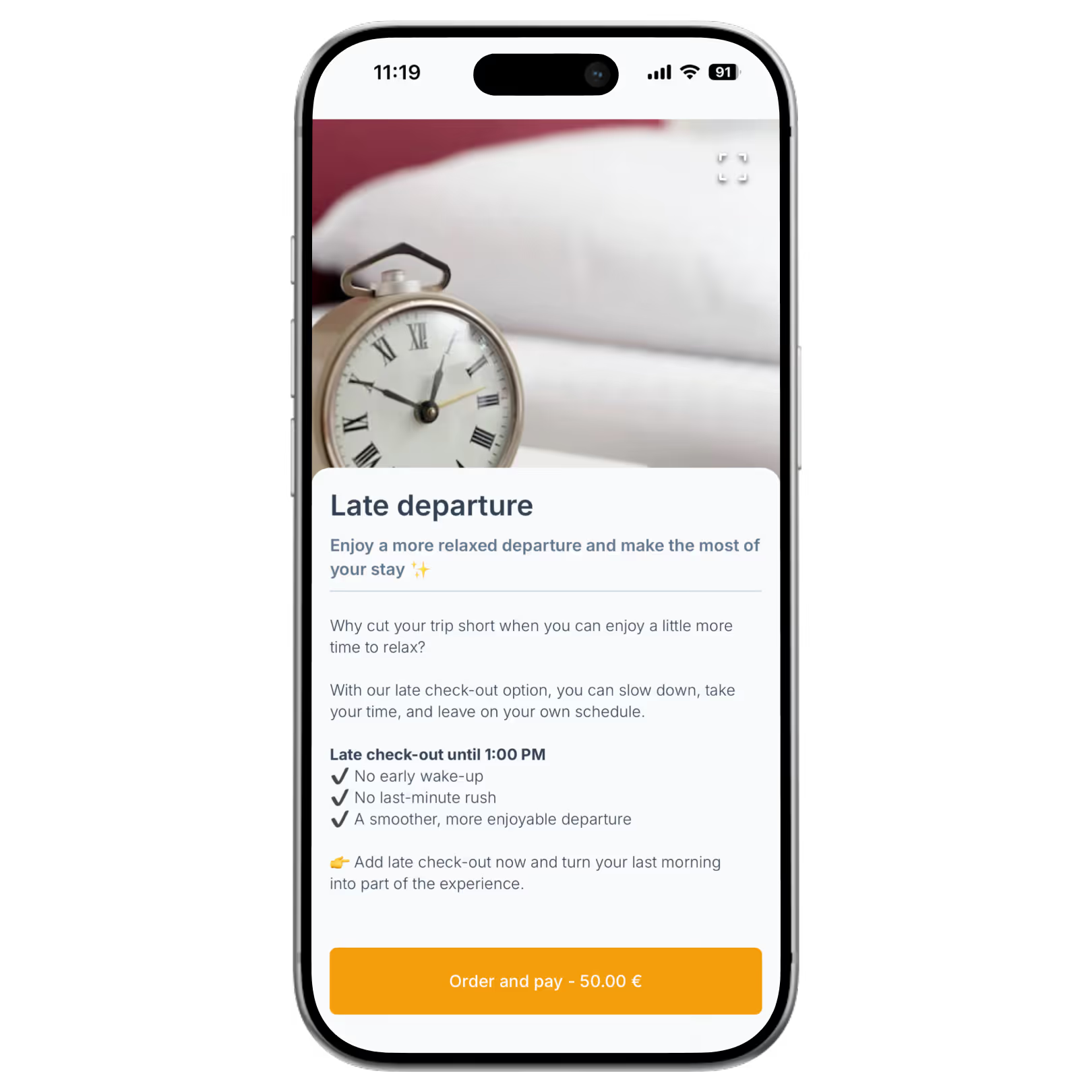
Yes, absolutely. With the guidebook modules, you can create a true digital shop and showcase your services, products, or exclusive offers. By connecting your Stripe account, you can accept payments directly without any commission taken by Sunver. Guests can pay in just one click from their smartphone.
The digital welcome guide your guests deserve
Give your guests a seamless experience — all your information, services, and recommendations, right at their fingertips.